A.W.E. Air Water Energy provides HVAC UV light installation and service for West Chicago homeowners considering an addition to their indoor-air equipment. The right starting point is the concern you want to address and the way your heating and cooling system operates. We review equipment fit, installation conditions, and maintenance responsibilities before recommending work. Call (630) 283-6225 to arrange an assessment of a proposed or existing UV system.
Start With a Defined Indoor-Air Concern
A device should be selected for a clear purpose rather than a general promise of cleaner air. Tell us whether the concern involves an existing HVAC component, a recurring odor, or a question about available equipment. Note when the issue occurs and whether it changes with heating or cooling operation. An assessment may identify a maintenance or moisture problem that needs attention before an accessory is considered.
UV equipment is one part of a broader indoor-air discussion. A.W.E. can help review the system and explain when additional investigation is appropriate. Our indoor air quality testing service may be relevant when the concern is not well understood. Describing the problem clearly helps keep the proposed work focused and avoids assuming that every indoor-air issue requires the same product.
Understand the Intended Role of HVAC UV Equipment
Germicidal UV uses ultraviolet energy to inactivate susceptible microorganisms under appropriate exposure conditions. Equipment aimed at an HVAC surface has a different application from equipment intended to treat moving air. Placement, exposure time, and lamp output affect the result. A claim about one device or test condition should not be treated as proof that every installation will deliver the same performance throughout a home.
UV treatment does not collect airborne particles or replace your HVAC filter. It should not be presented as a complete answer to gases, odors, or household health concerns. The EPA’s guide to air cleaners explains important distinctions between air-cleaning approaches. Our air purification services provide a broader starting point when you want to compare options before choosing a specific technology.
Check System Compatibility and Protected Placement
UV equipment compatibility involves more than finding an open section of ductwork. The proposed location must suit the device’s intended use and the HVAC equipment around it. Access for lamp replacement, electrical supply, and manufacturer installation requirements all matter. Existing materials and nearby components should be considered so the installation does not create avoidable damage or interfere with normal service.
UV energy can injure eyes and skin when people are exposed directly. Equipment belongs in an appropriately enclosed installation with the protections specified by its manufacturer. Do not view an operating lamp or bypass covers or protective controls to see whether it works. During the consultation, ask how normal service will be performed and which tasks require a qualified technician. Those details are part of the installation plan.
Keep Filtration and Moisture Control in the Plan
A UV accessory does not correct a blocked drain, water leak, or persistent humidity problem. West Chicago cooling seasons can place moisture management and condensate drainage among the concerns that need attention. If the assessment identifies an underlying fault, the recommendation should explain that work separately. Adding equipment without addressing the cause can leave the original problem in place and make the result harder to judge.
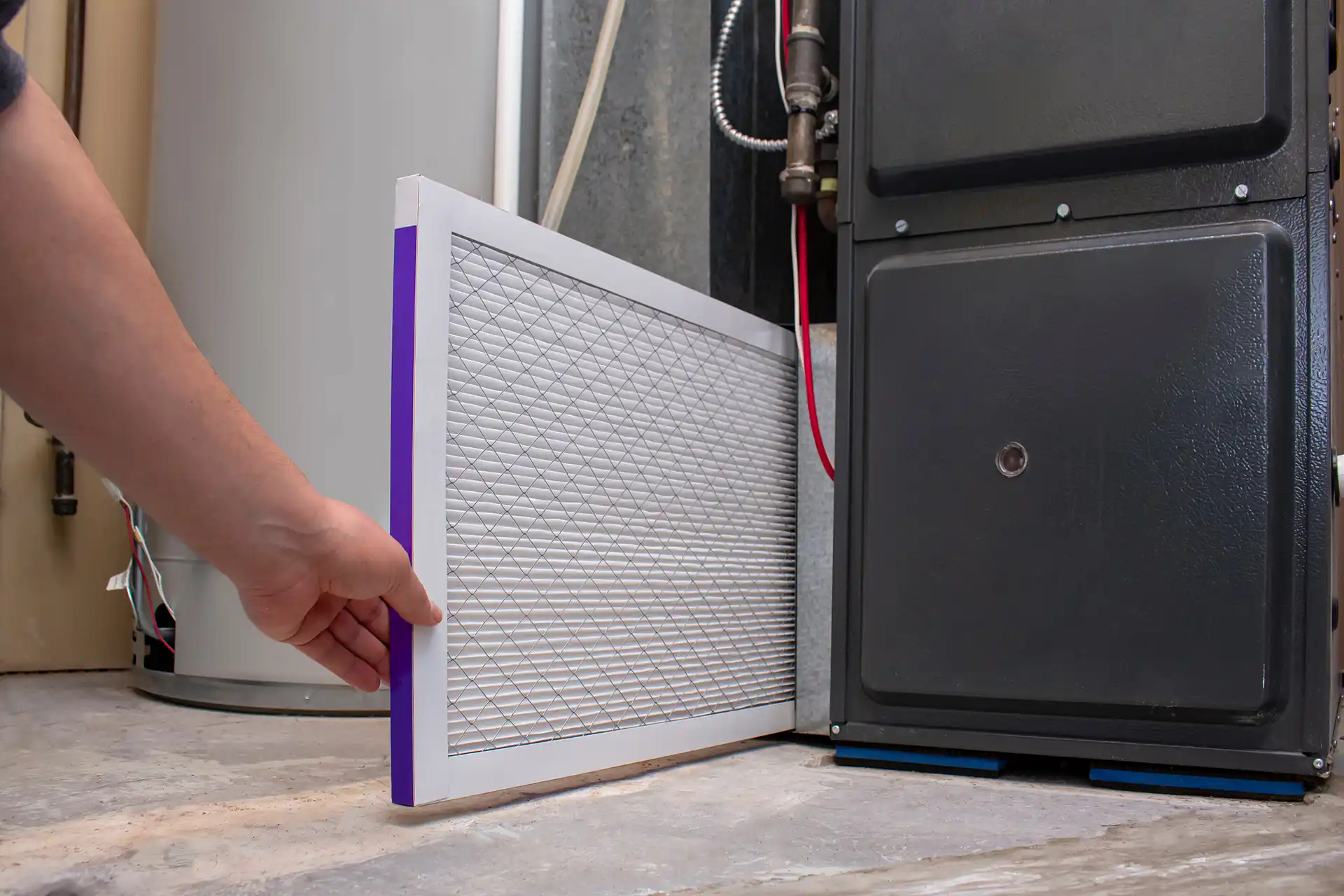
Routine filter care and appropriate HVAC maintenance remain necessary after installation. Our air filtration services can help evaluate the filter arrangement and system requirements. Cleaning or repairing an affected component may also be needed. The goal is a coordinated plan in which each step has a defined purpose, rather than expecting a UV lamp to take over responsibilities that belong to other equipment or maintenance tasks.
Know What an Installation Assessment Should Cover
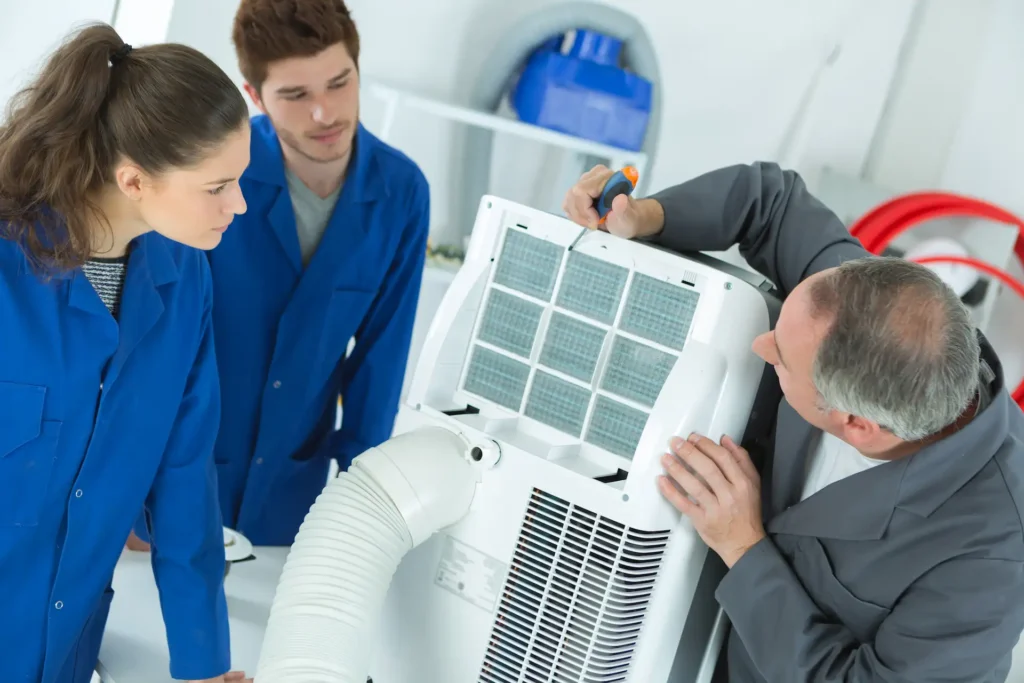
We begin by reviewing the existing HVAC system and your observations. For a proposed installation, the discussion covers the device’s intended application, the recommended location, and any electrical or access work. Ask for the exact equipment model and supporting performance information. The scope should identify what the installation is expected to address, its limitations, and the ongoing responsibilities required to keep it operating as intended.
Equipment selection should also consider ozone emissions and the manufacturer’s documentation. A UV product should not be assumed to be appropriate simply because it is marketed for indoor air. After installation, operation and applicable protective features are checked according to equipment instructions. Keep the model number, installation record, and service guidance together so future maintenance can be based on the actual device rather than its appearance alone.
Plan Lamp Replacement and Troubleshooting
UV light maintenance follows the manufacturer’s schedule for the installed model. A visible glow is not a reliable measure of useful treatment output, so do not wait for a lamp to go dark before reviewing its replacement requirements. Keep a record of lamp changes and other service. Correct replacement parts, cleaning methods, and handling procedures matter; similar-looking lamps are not automatically interchangeable.
If an indicator changes, a lamp stops operating, or the system has an unknown service history, arrange an assessment. Note any recent HVAC repairs or power interruptions and provide the equipment model when booking. Our team can investigate the supply, controls, and service needs before discussing repair or replacement. Do not open an energized enclosure or attempt to confirm operation by looking directly at the lamp. Follow the equipment’s shutdown guidance and leave internal checks to a qualified professional.