See What Is Happening Inside Your Sewer Line
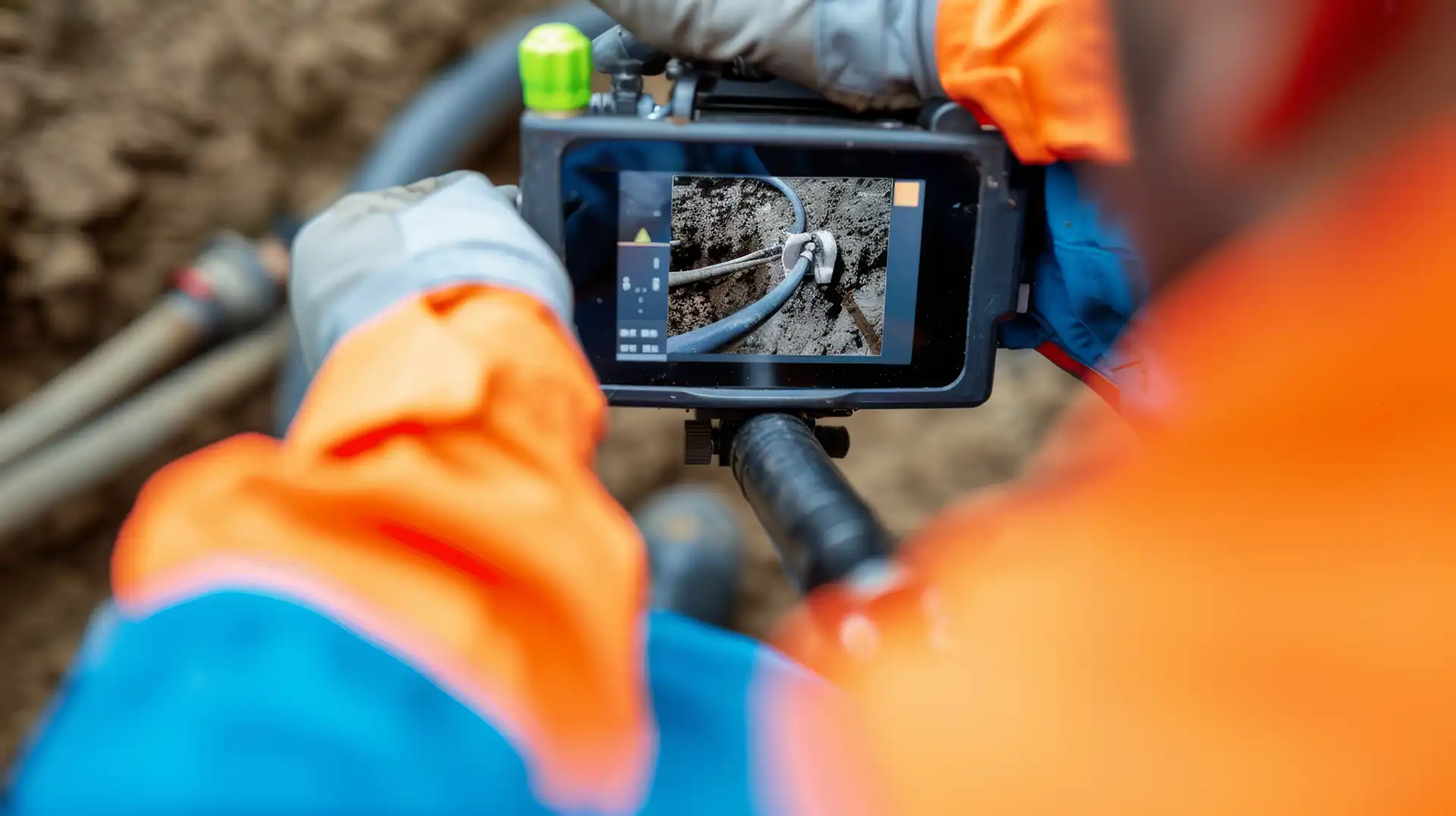
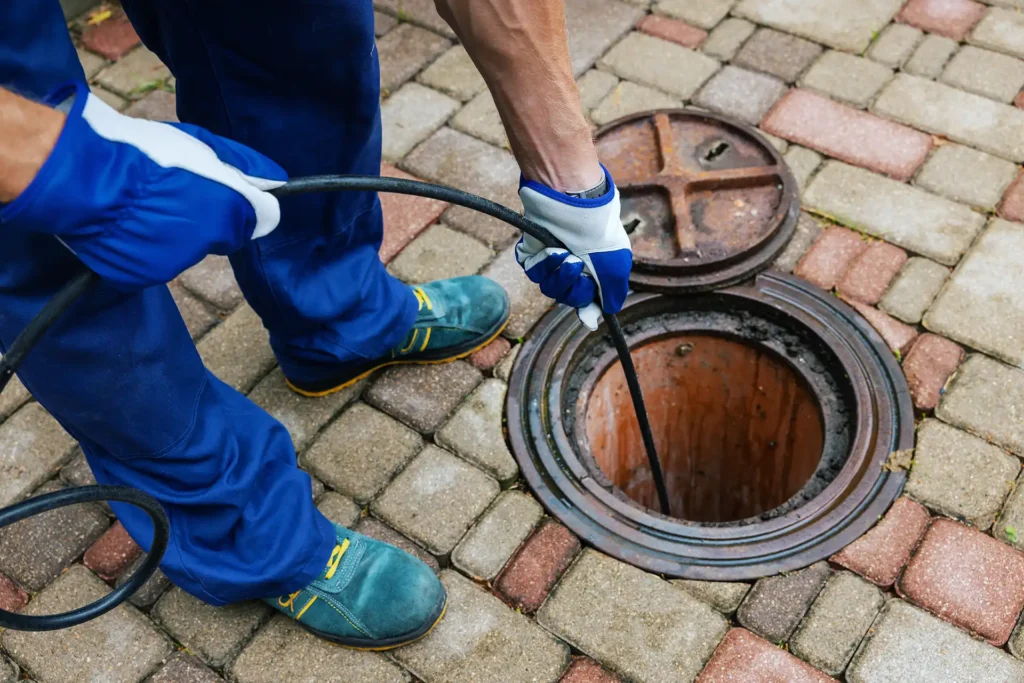
For most of the history of plumbing, diagnosing a sewer line problem meant digging. A camera inspection changes that entirely. By feeding a high-resolution camera through the line from a cleanout access point, our technicians can see the interior of your sewer pipe in real time, identifying blockages, root intrusion, pipe deterioration, joint offsets, and other conditions that would otherwise require excavation to find. The result is an accurate diagnosis based on what is actually there rather than an educated guess, and a repair recommendation that is matched to the real condition of the line.
What a Camera Inspection Reveals
A sewer camera inspection provides a level of diagnostic clarity that no other method can match. Root intrusion is one of the most common findings in older DuPage County neighborhoods where mature trees have had decades to extend their root systems toward underground moisture. Grease accumulation, debris buildup, and mineral scale are visible on the pipe walls and can be assessed for severity. Structural issues including cracked pipe, collapsed sections, offset joints where pipes have shifted out of alignment, and corrosion that has thinned the pipe wall are all identifiable on camera. In homes with older clay tile or cast iron sewer lines, a camera inspection often reveals conditions that have been quietly developing for years without any surface indication.
The Most Important Time to Schedule a Camera Inspection
There are a few situations where a sewer camera inspection is particularly valuable. Buying a home is one of them. A general home inspection covers sewer lines only superficially if at all, and inheriting a sewer line with significant root intrusion or structural damage is a costly surprise that a pre-purchase camera inspection can prevent. Recurring drain backups or slow drains throughout the home that do not resolve with standard cleaning are another indicator that a camera inspection is the right next step. Before any major sewer line cleaning, repair, or replacement, a camera inspection confirms the condition of the line and ensures the recommended work is appropriate for what is actually there.
What Happens After the Inspection
A camera inspection is only as useful as what you do with the findings. After completing the inspection, our technicians walk you through what the footage showed, explain any conditions that were identified, and give you an honest assessment of their severity. Not everything a camera finds requires immediate action, and we distinguish between conditions that need prompt attention and those that are worth monitoring over time. If repairs are recommended, the inspection footage provides the foundation for an accurate, targeted repair scope rather than a speculative one. You will have a clear understanding of what needs to be done and why before any repair work is discussed.