Wiring and Rewiring in West Chicago, IL

The wiring inside your walls is easy to ignore until it becomes a problem. A.W.E. provides professional wiring and rewiring services.
electrical remodel
Ready to Schedule Your Service?

What Is Behind Your Walls Matters

Electrical wiring is one of those home systems that tends to go unnoticed right up until it causes a serious problem. In older DuPage County homes, wiring that was installed decades ago may be deteriorating, improperly grounded, or simply not built for the electrical demands of a modern household. In newer homes, additions and renovations sometimes introduce wiring that was not done to code or that has not held up over time. Whether you are dealing with an aging system that needs to be brought up to current standards or a home that simply needs more capacity, A.W.E. provides wiring and rewiring services that are done correctly, permitted properly, and built to last.

When New Wiring Is Needed

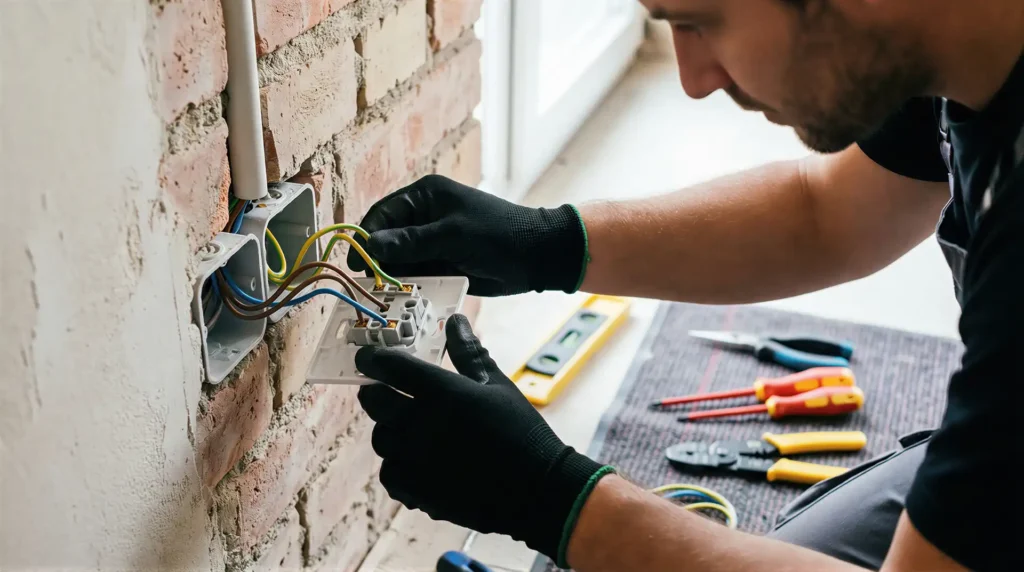
There are several situations that commonly lead homeowners to consider new wiring. Adding a room addition, finishing a basement, or converting a garage all require circuits that do not yet exist. Installing a dedicated circuit for a high-draw appliance like an EV charger, a hot tub, a whole-home generator transfer switch, or a large HVAC system also falls in this category. Our licensed electricians handle all aspects of new circuit installation, from running wire through walls and ceilings to connecting at the panel and installing the appropriate outlets, switches, or connection points at the endpoint.

Signs That Rewiring May Be Necessary

Rewiring an entire home or a significant portion of it is a larger undertaking, but sometimes it is the right one. Homes that still have knob-and-tube wiring from the early to mid-twentieth century, aluminum branch circuit wiring from the 1960s and 1970s, or wiring with cloth-wrapped insulation that has become brittle and cracked over time are all candidates for rewiring. These materials are not necessarily an immediate emergency in every situation, but they represent elevated risk compared to modern wiring standards and are worth having evaluated. Persistent electrical problems throughout a home, outlets that do not work, and circuits that trip without explanation can also point to wiring that has degraded beyond the point where targeted repairs make sense.

How We Minimize Disruption During a Rewiring Project

A full or partial rewiring project inevitably involves some access to wall and ceiling cavities, but the extent of that disruption varies considerably depending on the approach. Our electricians use techniques that limit the number of openings required, working through existing access points where possible and using fish tape and other tools to route wire without opening walls unnecessarily. Where walls do need to be accessed, we work carefully and communicate clearly about what the patching and restoration process will involve. Before any project begins, you will have a clear picture of the scope, the timeline, and the cost.
electrical repair

Wiring Done Right Is Wiring You Never Have to Think About Again

Good electrical work disappears into the walls and stays there for decades without causing problems. That is exactly what A.W.E. aims to deliver on every wiring project. Call us to discuss what your home needs and get a straightforward assessment from a licensed electrician. Book your assessment now or call us at (630) 283-6225

Call Us Anytime

24/7 availability for emergencies.

Flexible Scheduling

Choose a time that works best for you.

Fast Response

Same-day & next-day services available.

Why DuPage County Homeowners Trust A.W.E.

  • Over 100 Years in Business: Since 1911, A.W.E. has been the trusted name in home comfort for Carol Stream and DuPage County residents.
  • Licensed and Insured Technicians: Every technician is fully licensed and insured, so you can feel confident in the quality and safety of every service we provide.
  • BBB A+ Rated: We have earned and maintained an A+ rating with the Better Business Bureau through consistent, honest service.
  • Upfront, Transparent Pricing: You will always know the cost before we begin. No hidden fees, no surprise charges.
  • 100% Satisfaction Guarantee: If you are not completely satisfied, we will keep working until you are.
  • Same-Day Service Available: We respond quickly because we know your comfort cannot wait.
Furnace Repair Company Naperville
Frequently Asked Questions
How do I know if my home needs to be rewired?
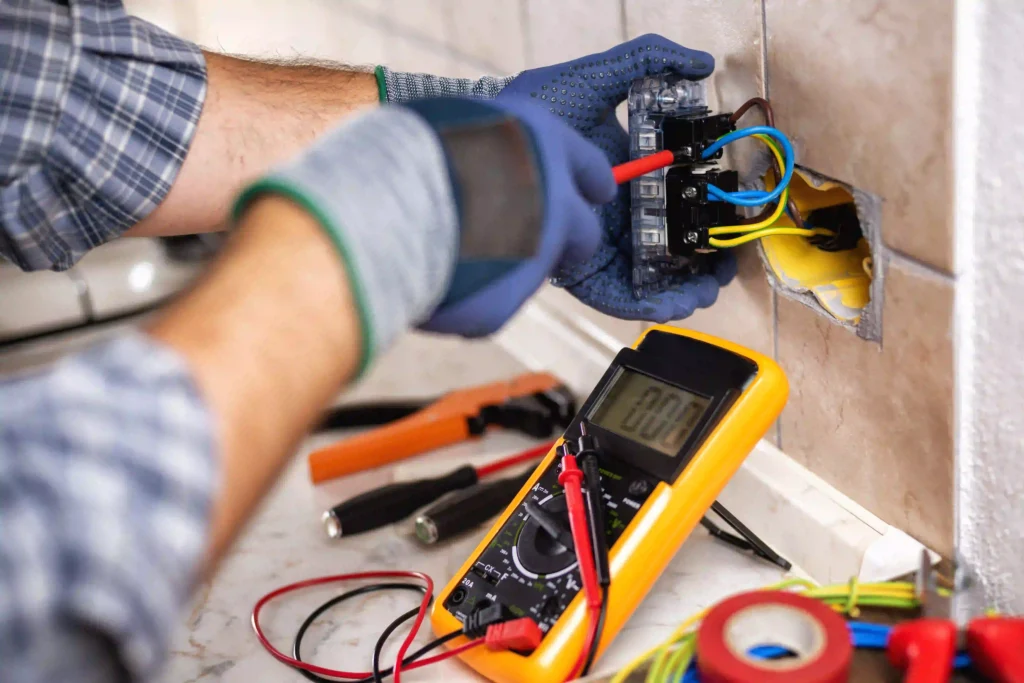
The clearest indicators are the type of wiring your home has and how the electrical system has been behaving. Knob-and-tube wiring, aluminum branch circuit wiring, and wiring with deteriorated cloth insulation are the most common materials that prompt rewiring conversations. On the behavioral side, circuits that trip frequently, outlets that do not work, flickering lights throughout the home, and a persistent burning smell without an identifiable source can all point to wiring that has degraded. A licensed electrician can inspect your system and give you an honest assessment of what you are working with.
In most cases, yes. New circuit installations and rewiring projects in Illinois require a permit and a subsequent inspection by the local authority having jurisdiction. Permits exist to ensure the work is done safely and to code, which protects you as the homeowner. A.W.E. handles the permitting process on your behalf as part of every wiring project. Having documented, permitted electrical work also matters when it comes time to sell your home, as unpermitted work can complicate a sale or require remediation.
Knob-and-tube wiring was the standard installation method for homes built roughly before 1950. It uses separate hot and neutral conductors run through ceramic knobs and tubes without a ground wire, and its cloth insulation becomes brittle and prone to cracking with age. It is not inherently dangerous if it is in good condition and has not been modified or overloaded, but it does not meet modern code requirements, cannot support grounded outlets, and presents elevated risk in areas where insulation has been added around it. Most insurance companies treat it as a liability, and many require it to be replaced as a condition of coverage.