A.W.E. Air Water Energy helps West Chicago homeowners evaluate air scrubbers as part of an indoor-air plan. Persistent odors, dust concerns, or questions about existing equipment deserve a closer look before another device is added to the HVAC system. We discuss the concern, review equipment compatibility, and explain the proposed technology. Call (630) 283-6225 to arrange an assessment and identify a practical starting point.
Understand What an Air Scrubber Is Designed to Do
The term air scrubber is used for equipment with different operating methods. Some products combine filtration with other treatment technologies, while others are designed for a particular application. The label alone does not tell you which pollutants a device addresses or how well it will perform in your home. The specific model, installation, and operating conditions are what matter.
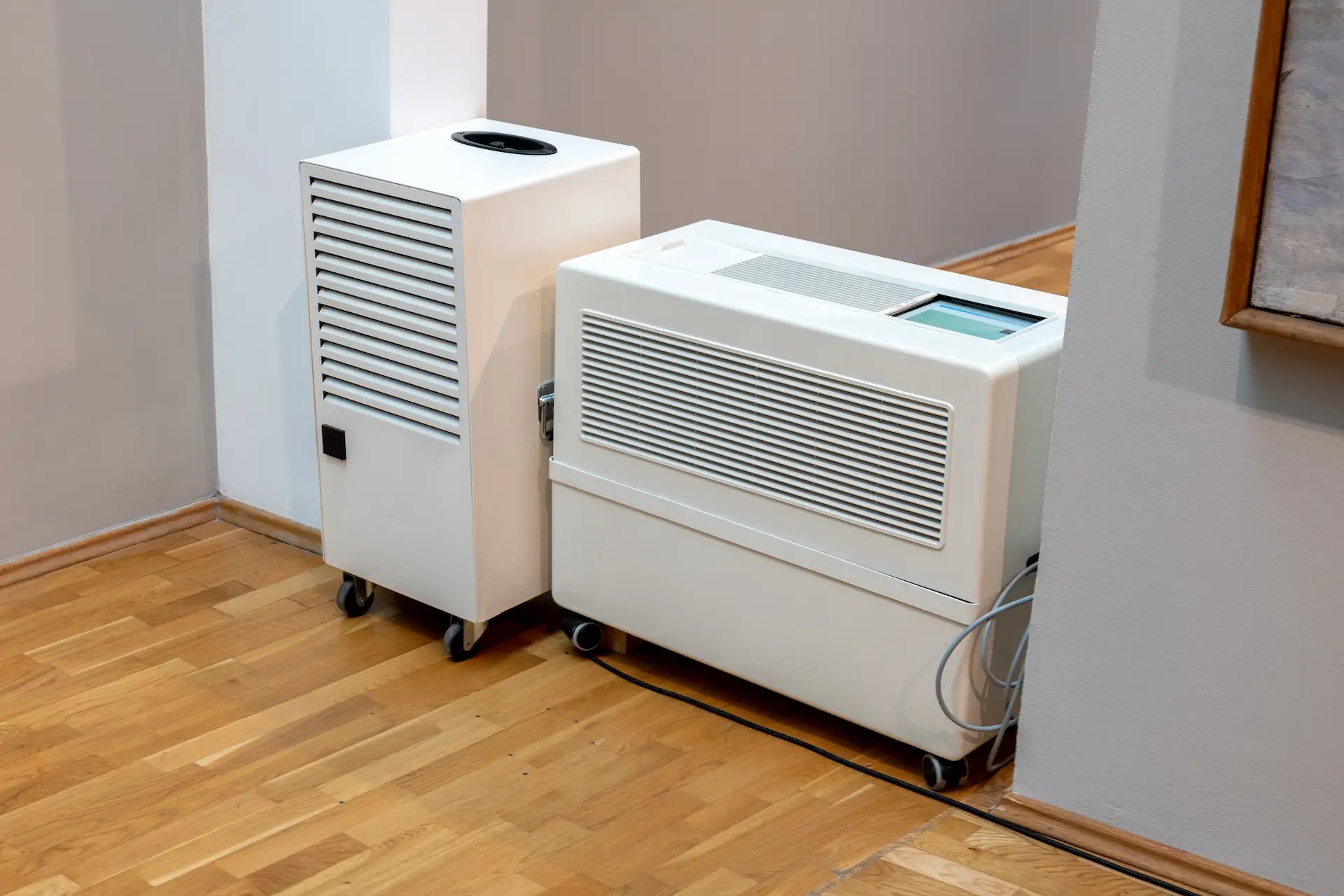
A useful recommendation identifies the technology, the intended purpose, and the evidence supporting its claims. Ask whether the device captures particles, addresses certain gases, or uses another treatment process. Our air cleaner services can help put those options in context. No single product should be expected to correct every source of indoor pollution or replace a complete assessment of a recurring problem.
Identify the Concern Before Selecting Equipment
Dust accumulation, a musty smell, and irritation noticed in one room are different observations. They should not automatically lead to the same equipment recommendation. Describe when the concern appears, whether it changes with HVAC operation, and whether recent work or new materials may be involved. A clear history helps focus the investigation and avoids turning a broad complaint into a premature product choice.
A.W.E. can discuss the appropriate next step, including indoor air quality testing where useful. Moisture sources, ventilation concerns, and filter problems may need attention before supplemental equipment is considered. Air-cleaning devices are not a substitute for repairing a water leak or addressing a known contamination source. If an odor suggests a gas leak or another immediate hazard, leave the area and seek emergency assistance.
Compare Technologies and Their Limitations
Mechanical filtration captures particles moving through a filter, while other technologies may have different targets and limitations. A proposed air scrubber should be evaluated by its actual design rather than broad claims about clean air. Product documentation should explain operating requirements and ongoing care. Laboratory results do not automatically predict the same performance in every occupied home.
Some electronic air-cleaning technologies can create unwanted byproducts, including ozone, so the specific equipment deserves careful review. Ask for relevant emissions information and independent testing where available. Do not select a device intended to generate ozone in occupied spaces. We can help you compare the proposed unit with air filtration options and explain why one approach may better fit the concern.
Check HVAC Compatibility and Installation Access
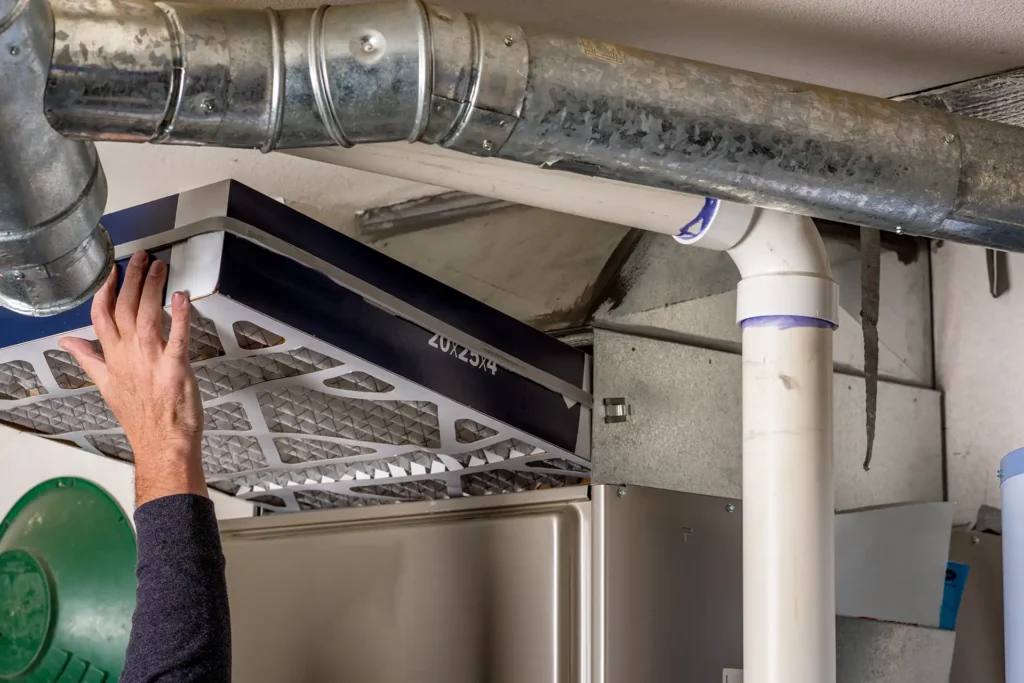
An in-duct device must suit the HVAC system, available space, electrical requirements, and manufacturer’s installation instructions. Placement affects access for service and may affect how the product is intended to operate. A cramped equipment area or unusual duct arrangement can change the available options. Adding a device should not make essential filter replacement or equipment maintenance difficult.
We review the installation requirements before recommending the scope. The discussion should cover where the unit will be installed, which components need periodic replacement, and how operation will be checked. If the existing filter arrangement is restrictive or poorly fitted, that concern deserves its own correction. Supplemental equipment cannot compensate for every airflow problem, and its installation should be considered as part of the larger system.
Know When an Existing Air Scrubber Needs Service
Warning indicators, damaged components, unusual noises, or uncertainty about the last replacement date are reasons to review an existing unit. Different models have different consumable parts and service intervals. A light or fan operating does not necessarily confirm that every treatment component is functioning as intended. Keep the model information and maintenance history available for the service visit.
Model-specific maintenance is more useful than a generic promise that equipment is maintenance-free. The appropriate work may include inspection, cleaning, or replacement of a component according to manufacturer guidance. If the unit is unsupported or the required parts are unavailable, replacement may be worth discussing. The choice should account for the original purpose of the device as well as its current condition.
Keep Air Cleaning Part of a Broader Plan
Source control, appropriate ventilation, and routine HVAC care remain important even when an air scrubber is installed. Keep filters maintained, address water intrusion promptly, and avoid blocking air openings. For West Chicago homes, changing seasons can alter ventilation habits and the amount of time the HVAC system operates. Those changes may affect which concerns are noticed and when they occur.
Evaluate the result against the specific goal discussed during the assessment. A device should not be judged solely by a status light, a new smell, or a broad health promise. Record whether the original concern persists and report changes. A follow-up discussion may point toward a source that needs attention or a different service, rather than simply adding another piece of equipment.