At Some Point, the Pipes Themselves Are the Problem
There is a version of home plumbing maintenance where you fix one leak, then another, then another, and at some point a licensed plumber sits you down and explains that you are not fixing a series of isolated problems. You are dealing with a system that has reached the end of its useful life. Galvanized steel pipes that have corroded through from the inside, copper lines riddled with pinhole leaks, or polybutylene pipes that have become brittle and prone to failure are all situations where continuing to repair individual spots is an exercise in diminishing returns. Repiping replaces the underlying problem rather than managing its symptoms.
What Repiping Actually Involves
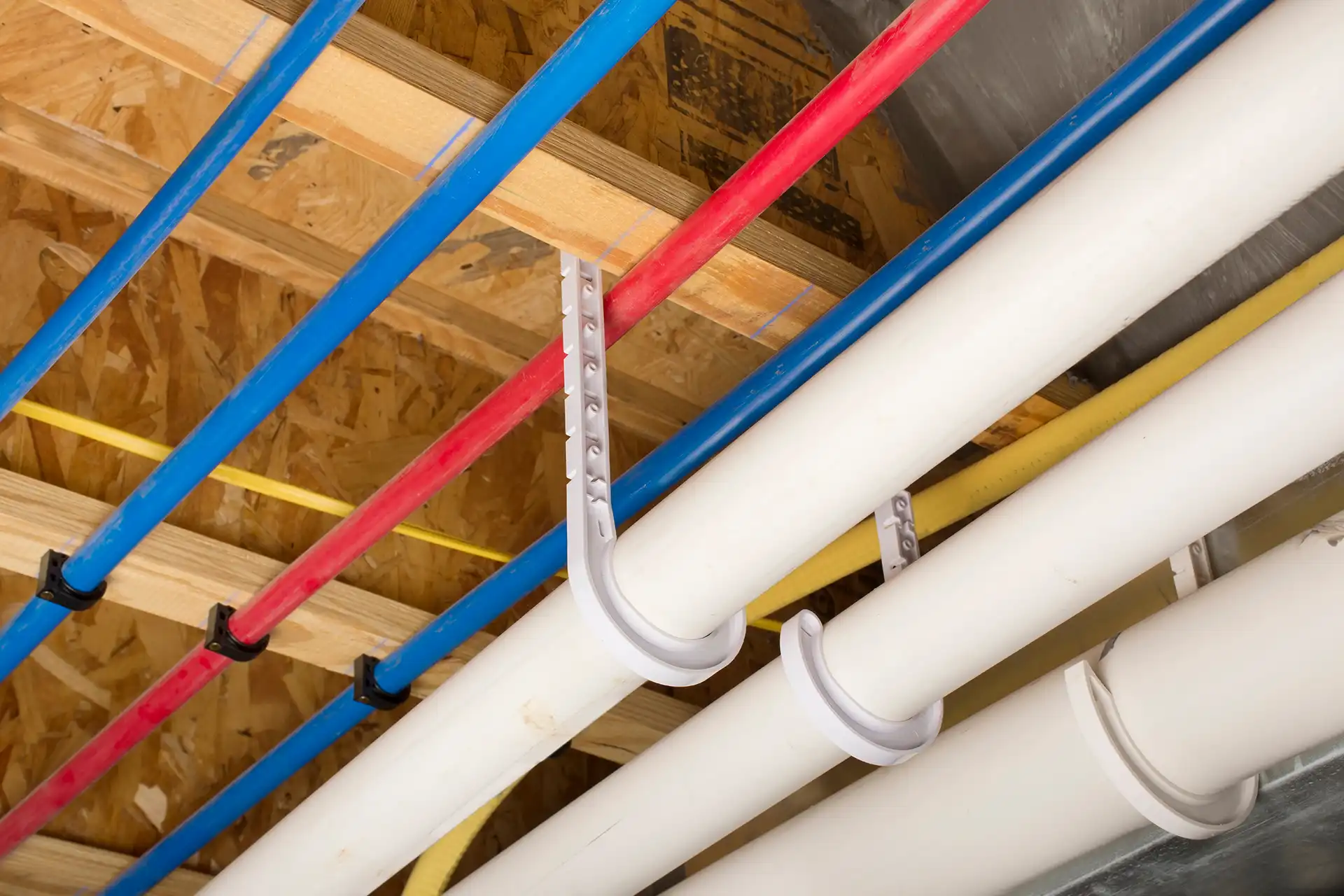
A whole-home repipe replaces all of the supply piping throughout your home with new material, typically modern copper or cross-linked polyethylene tubing, both of which offer significantly better longevity and performance than the materials they are replacing. The process involves accessing pipe runs through walls, ceilings, and crawl spaces, removing the old piping, and installing new lines that connect back to your fixtures, appliances, and water heater. It is a substantial project, but it is also a well-defined one with a clear beginning and end. When it is done, you have a complete, modern plumbing system with a lifespan measured in decades rather than years.
Recognizing When Repiping Is the Right Call
The decision to repipe a home usually builds over time rather than arriving as a sudden realization. Recurring leaks in different locations around the house are the clearest signal. Persistent low water pressure caused by mineral buildup inside aging galvanized pipes is another. Discolored water, a metallic taste, or visible rust around fixtures can indicate that the pipe material itself is degrading into your water supply. Homes that still have original plumbing from the 1960s, 1970s, or earlier, particularly those with galvanized steel or polybutylene supply lines, are strong candidates for a professional evaluation to determine whether repiping makes sense.
Managing the Project With Minimal Disruption
The most common concern homeowners have about repiping is how disruptive it will be. The honest answer is that it involves some disruption, but considerably less than most people expect when the project is planned and executed well. Our technicians map out the pipe runs in advance, identify the least invasive access points, and work methodically to limit the number of wall and ceiling openings required. Water service is temporarily interrupted during portions of the work, and we coordinate the schedule to minimize the impact on your household. Drywall patching and surface restoration is discussed as part of the project scope upfront so there are no surprises about what the home will look like when the work is complete.