Tell us which room stays cold and call (630) 283-6225 to discuss a ductless heating evaluation.
Heat where traditional ducts do not reach
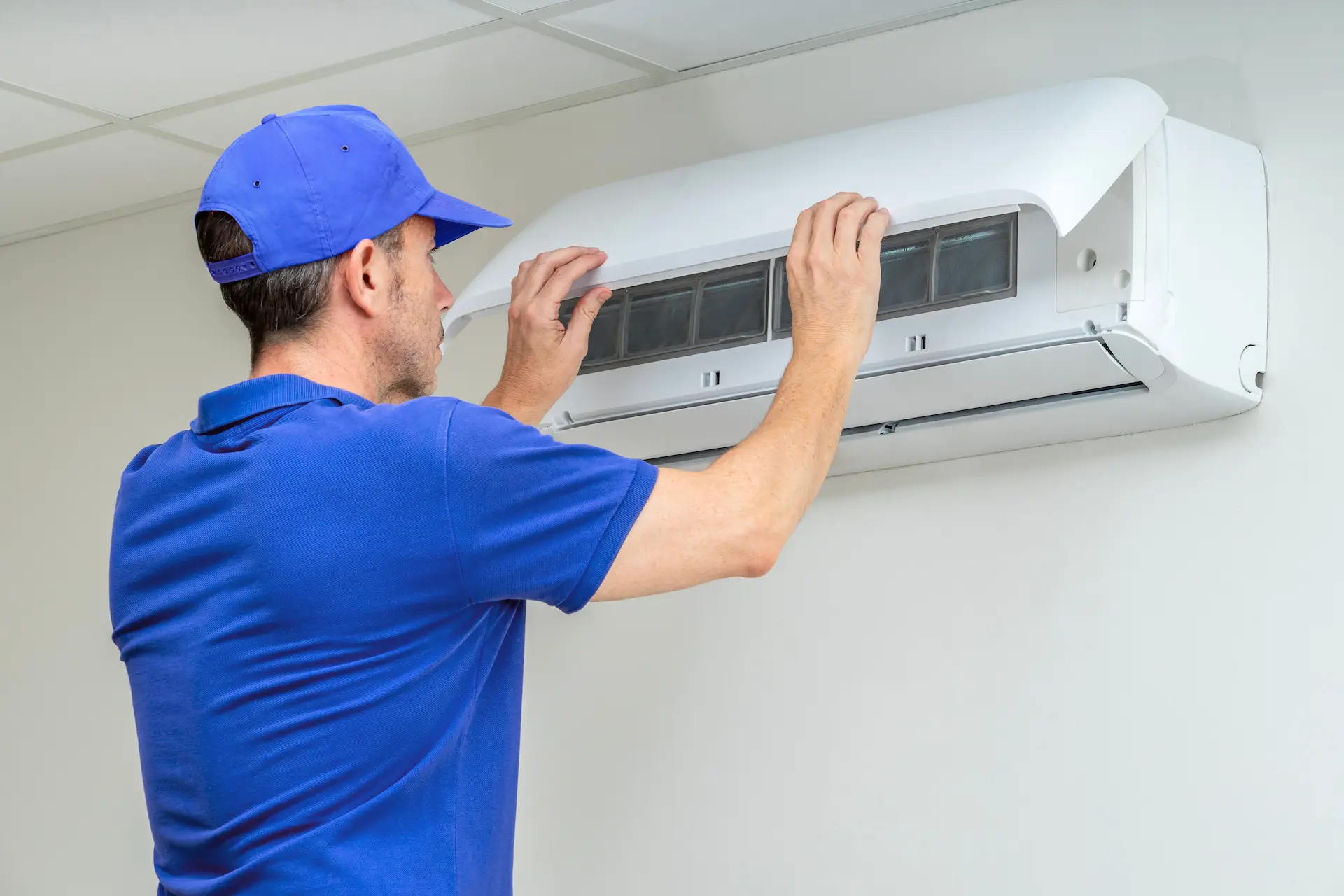
A ductless mini-split heat pump connects an outdoor unit to one or more indoor units. Refrigerant lines transfer heat between them, while the indoor unit circulates air in the served space. Many systems provide cooling as well as heating, allowing one installation to address year-round comfort needs.
Ductless does not mean design-free. Room size, insulation, windows, ceiling height, and layout affect the heating load. An enclosed bedroom may need a different arrangement from an open living area. A.W.E. considers how heat will reach the occupied space rather than assuming one wall-mounted unit can condition an entire floor.
Planning for West Chicago winter conditions
Cold-weather performance is a key part of equipment selection in northern Illinois. Heat pump output and efficiency change with outdoor temperature, and models differ in their low-temperature capabilities. The proposal should consider the home’s heating needs at design conditions, not just the unit’s advertised nominal capacity.
We discuss whether ductless equipment will supplement an existing system or serve as the primary heat source. Backup heat may be appropriate for some designs. Outdoor placement also needs attention to snow, drainage, service access, and defrost operation. Clearances and mounting should follow the manufacturer’s requirements for the specific equipment.
Good applications and important limitations
Ductless heating can be worth evaluating for:
- An addition with limited duct access.
- A finished room above a garage.
- A home currently using a non-ducted heating system.
- A frequently used room that needs independent control.
A persistent cold room can also reflect air leakage, poor insulation, or an existing distribution problem. We explain those possibilities before recommending equipment. If the current central system is malfunctioning, heating repair may be the appropriate first step. Ductless equipment should address a defined need rather than mask a correctable fault.
Installation choices that affect daily comfort
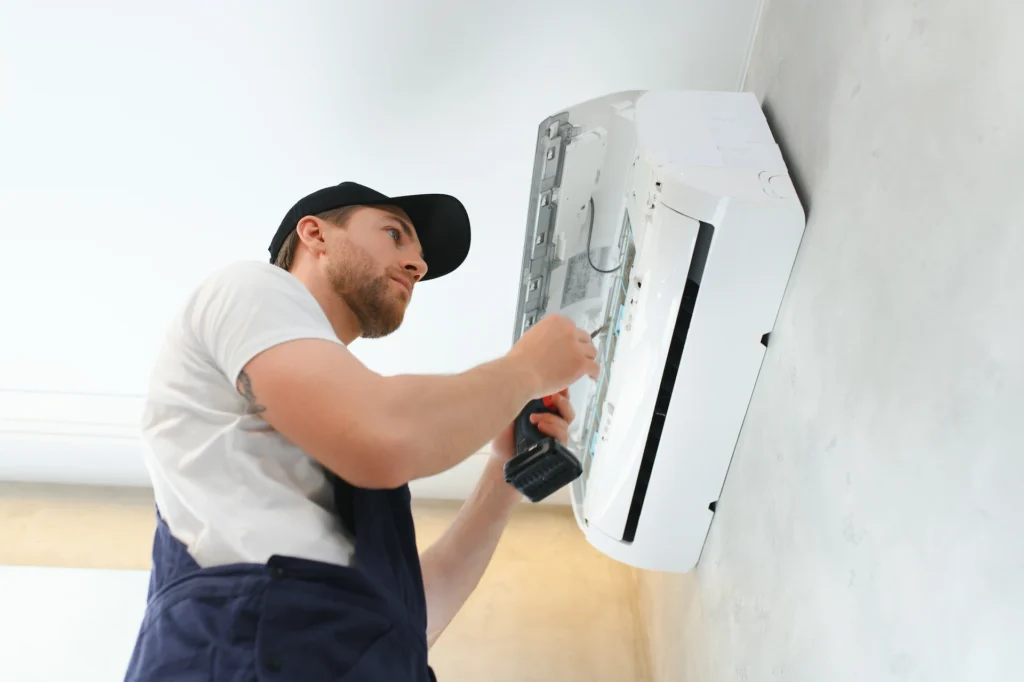
Placement and sizing influence the result. Indoor units need suitable locations for air distribution, maintenance, and condensate drainage during cooling. The installation plan also considers the line route, outdoor location, electrical requirements, and the number of independently controlled areas. We explain what work the proposed configuration involves before you approve it.
For projects covering several spaces, compare a multizone design with other heat pump options. After installation, the system should be commissioned and its operation explained. Ask how to use heating mode, recognize normal defrost behavior, clean the user-serviceable filters, and identify a change that warrants a service call.
Care for a ductless system through changing seasons
Follow the manufacturer’s filter-cleaning instructions and keep indoor airflow paths unobstructed. Check that the outdoor unit remains clear within the required access area, without striking coils or using sharp tools to remove ice. Persistent ice buildup or a sudden loss of heat deserves professional assessment rather than repeated resets.
Arrange periodic maintenance appropriate to the equipment and usage. Our ductless mini-split repair service addresses operating problems, while ductless installation covers broader cooling and replacement decisions. For West Chicago homes using ductless heat every day, keeping a service record helps track performance and recurring concerns across the winter season. Tell the technician whether the issue occurs only during extreme cold or also in mild weather. That distinction can help separate an operating fault from a system that was not sized for the intended heating demand.