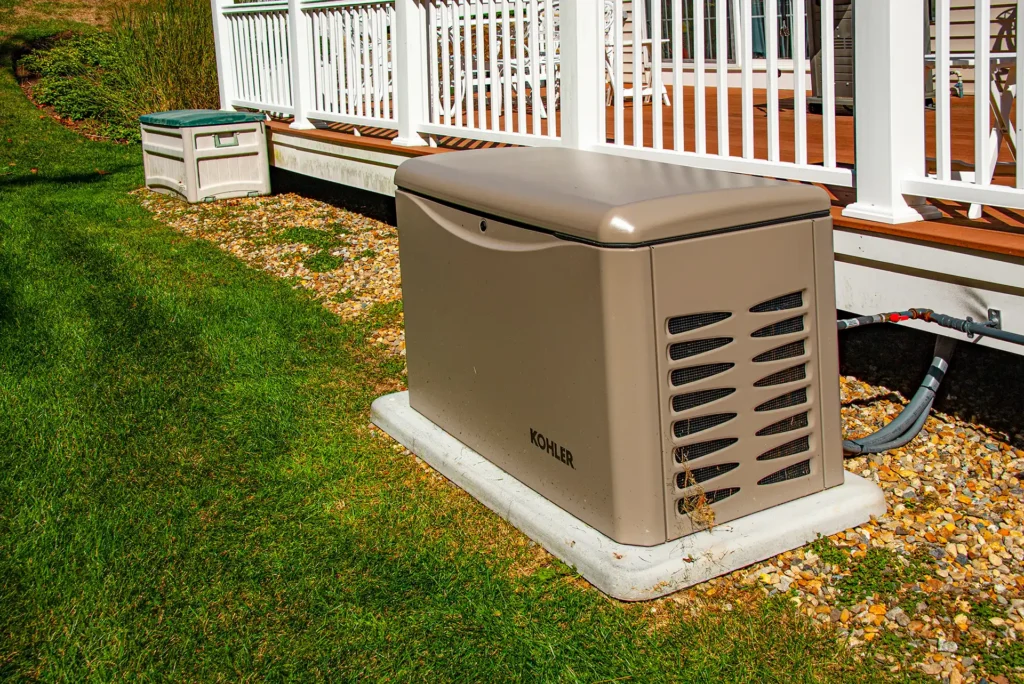
Generator Repair in West Chicago, IL

A.W.E. provides professional generator repair so the system you are counting on in an emergency is actually ready when that moment arrives.
generator repair
Ready to Schedule Your Service?

The Worst Time to Discover a Generator Problem Is During a Power Outage

Standby generators sit idle for long stretches between uses, and that inactivity creates its own set of problems. Fuel degrades, components corrode, and small issues that would have been caught during regular use go unnoticed until the generator is called into service and fails to deliver. For homeowners who invested in a standby generator specifically to protect against power loss during severe weather, discovering a malfunction when the lights go out is not a situation that should ever be acceptable. A.W.E. diagnoses and repairs standby and portable generators throughout West Chicago and DuPage County so you are not left finding out the hard way.

Common Generator Problems We Repair

Generator failures tend to cluster around a predictable set of causes. Fuel system issues are among the most frequent, including clogged carburetors in portable units, degraded fuel in tanks that have sat unused for an extended period, and fuel delivery problems in natural gas or propane standby systems. Battery failure is another common culprit in standby generators, as the battery that powers the automatic startup sequence can lose its charge or capacity over time without any visible warning. Faulty transfer switches, which are responsible for automatically disconnecting the home from utility power and switching to generator power, are a critical component that can fail silently. Oil and air filter maintenance neglect, worn spark plugs, and control board faults round out the most frequently encountered repair needs.

Standby Generator Repairs Require Electrical and Mechanical Expertise

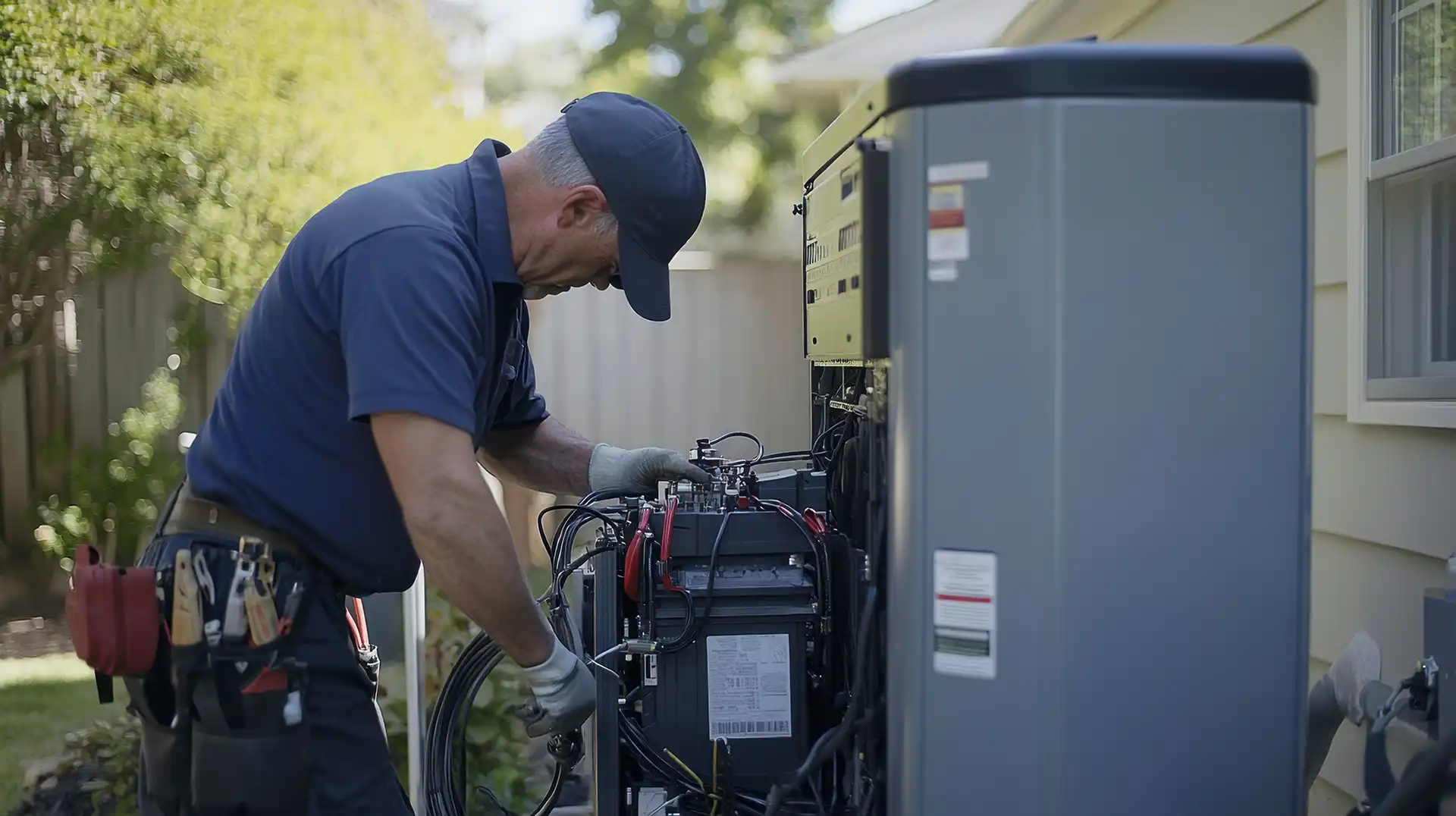
Standby generators are more complex than portable units and combine mechanical engine components with sophisticated electrical controls and automatic transfer switch systems. Diagnosing them correctly requires competence in both areas, and a repair that addresses the mechanical side without evaluating the electrical controls, or vice versa, often misses the full picture. A.W.E. brings licensed electrical expertise to every generator repair call, which matters particularly when the issue involves the transfer switch, the generator’s control board, or the connection between the generator and the home’s electrical panel.

Getting Your Generator Ready Before It Is Needed

In many cases, a generator repair visit also serves as an opportunity to evaluate the overall condition of the system and address anything that could compromise its reliability going forward. If a generator has not been serviced in a while, completing a tune-up alongside the repair ensures that the component that failed was not symptomatic of broader neglect that left other parts in marginal condition. Our technicians will give you a candid assessment of the generator’s overall state and flag anything that warrants attention, leaving you with a clear picture of where the system stands.
A Generator Is Only Worth Having If It Works When You Need It

Do not wait for the next power outage to find out whether your generator is up to the task. Call A.W.E. to schedule a repair or diagnostic visit with a licensed technician who understands these systems from the engine to the transfer switch. Book your repair now or call us at (630) 283-6225

Call Us Anytime

24/7 availability for emergencies.

Flexible Scheduling

Choose a time that works best for you.

Fast Response

Same-day & next-day services available.

Why DuPage County Homeowners Trust A.W.E.

  • Over 100 Years in Business: Since 1911, A.W.E. has been the trusted name in home comfort for Carol Stream and DuPage County residents.
  • Licensed and Insured Technicians: Every technician is fully licensed and insured, so you can feel confident in the quality and safety of every service we provide.
  • BBB A+ Rated: We have earned and maintained an A+ rating with the Better Business Bureau through consistent, honest service.
  • Upfront, Transparent Pricing: You will always know the cost before we begin. No hidden fees, no surprise charges.
  • 100% Satisfaction Guarantee: If you are not completely satisfied, we will keep working until you are.
  • Same-Day Service Available: We respond quickly because we know your comfort cannot wait.
Furnace Repair Company Naperville
Frequently Asked Questions
My standby generator runs during its weekly self-test but did not start during an actual outage. What could cause that?
The weekly self-test runs the engine under no load for a short period, which is a much less demanding condition than an actual transfer event. A transfer switch that is failing to trigger correctly, a battery that holds enough charge for a brief test cycle but not a full startup sequence under load, or a control board fault that only manifests under certain conditions can all cause this specific pattern. It is a frustrating situation precisely because the unit appears to be working during testing. A technician who can evaluate the transfer switch operation and control board under simulated load conditions is the right resource for diagnosing it accurately.
Most residential standby generators are designed to run for extended periods during prolonged outages, with natural gas units having a practical advantage over propane models since they draw from a continuous supply line rather than a finite tank. The manufacturer’s guidelines for your specific unit will outline recommended run times and any required cool-down intervals. Oil level monitoring becomes particularly important during extended runs, and most modern standby units will shut themselves down automatically if oil pressure drops below a safe threshold. If you anticipate extended outages, a service visit before storm season to verify oil condition and overall system readiness is a worthwhile precaution.
The same general framework that applies to other mechanical equipment applies here. A generator under ten years old with a specific, addressable failure is typically worth repairing. One that is significantly older, has a history of recurring issues, or requires a repair that approaches a meaningful fraction of replacement cost warrants a more careful look at whether continued investment makes sense. There is also the question of parts availability, as components for older generator models can become difficult to source over time. Our technicians will give you an honest read on the repair-versus-replace question based on the specific unit and the nature of the failure.