A.W.E. Air Water Energy helps West Chicago homeowners evaluate Aeroseal duct sealing when duct leakage may be affecting comfort and air delivery. A room that never seems to reach the thermostat setting deserves an explanation before you replace heating or cooling equipment. We review the duct system and the symptoms to determine whether sealing is a suitable part of the solution. Call (630) 283-6225 to discuss a duct assessment.
Understand What Duct Leakage Can Change
Ductwork carries heated or cooled air between the HVAC equipment and the rooms in your home. Gaps, poorly connected sections, and deteriorated joints can let some of that air escape before reaching its intended destination. Depending on where the ducts run, leakage can affect comfort and the amount of conditioned air delivered to occupied rooms. The location of a leak matters as well as its size.
Uneven room temperatures and persistent airflow complaints can justify an evaluation, but neither proves that leakage is the only problem. Restricted filters, damaged ducts, equipment faults, or insulation issues may produce similar symptoms. Our duct sealing service begins with understanding the system rather than assuming that one treatment will correct every comfort concern. The findings should guide the recommended work.
How the Aeroseal Process Addresses Leaks
Aeroseal is a duct sealing method that works from inside the duct system. After preparation, a controlled process introduces sealant particles that collect at leakage points. The equipment measures leakage during the work, allowing results to be compared before and after treatment. The method can be useful where small leaks are difficult to reach directly through walls, ceilings, or other finished spaces.
The system still needs assessment and preparation. Sealing is not a substitute for repairing disconnected ducts, major damage, or an unsuitable layout. A.W.E. reviews the proposed application and explains what must be addressed separately. Ask which parts of the duct system are included, what access is required, and how connected equipment will be prepared. A clear scope distinguishes the sealing process from other repairs.
Signs That Make a Duct Assessment Worthwhile
Rooms with weak airflow, noticeable temperature differences, or comfort that worsens when the system runs can point toward air-delivery problems. A recent renovation or work around ductwork may also be relevant. Record which rooms are affected and whether the pattern occurs during heating, cooling, or both. This history helps identify where an inspection should focus and which operating conditions need to be considered.
Dust or odors should also be described, but they do not establish a duct leakage diagnosis on their own. Filtration, moisture, ventilation, and indoor sources can contribute. If those concerns are central to the visit, indoor air quality testing may help clarify the next step. Avoid treating a broad indoor-air complaint as proof that sealing alone will resolve it.
Our Assessment and Sealing Plan
The evaluation starts with your comfort concerns, the HVAC equipment, and accessible duct conditions. Where appropriate, leakage testing provides a baseline for the proposed work. We explain visible repair needs and whether the system is a suitable candidate for the sealing method. You should know the areas involved, preparation requirements, and what results will be documented before the project begins.
After sealing, before-and-after leakage measurements help show what changed. Those measurements should be explained in context, including any remaining limitations. A reduction in leakage is useful evidence, but it is not a promise of a particular utility-bill reduction. Weather, thermostat settings, building insulation, and equipment operation all influence energy use. Keep the results with your home’s HVAC service records for future reference.
Choose Between Sealing, Repairs, and Other Improvements
The appropriate solution depends on the condition of the duct system. Accessible joints may be addressed directly, while an internal sealing method may reach leaks that are otherwise difficult to access. Damaged or disconnected sections need repair. Duct sizing and layout problems require their own evaluation. These are related decisions, but they should not be treated as interchangeable services with the same outcome.
For West Chicago homeowners considering an equipment upgrade, it can be useful to discuss air delivery before assuming a larger system is needed. A poorly performing duct network may limit the benefit of new equipment. The assessment can identify which work should happen first and which improvements can be coordinated. Prioritizing the identified problem helps avoid paying for a change that leaves the original complaint unresolved.
Support Air Delivery After the Work Is Complete
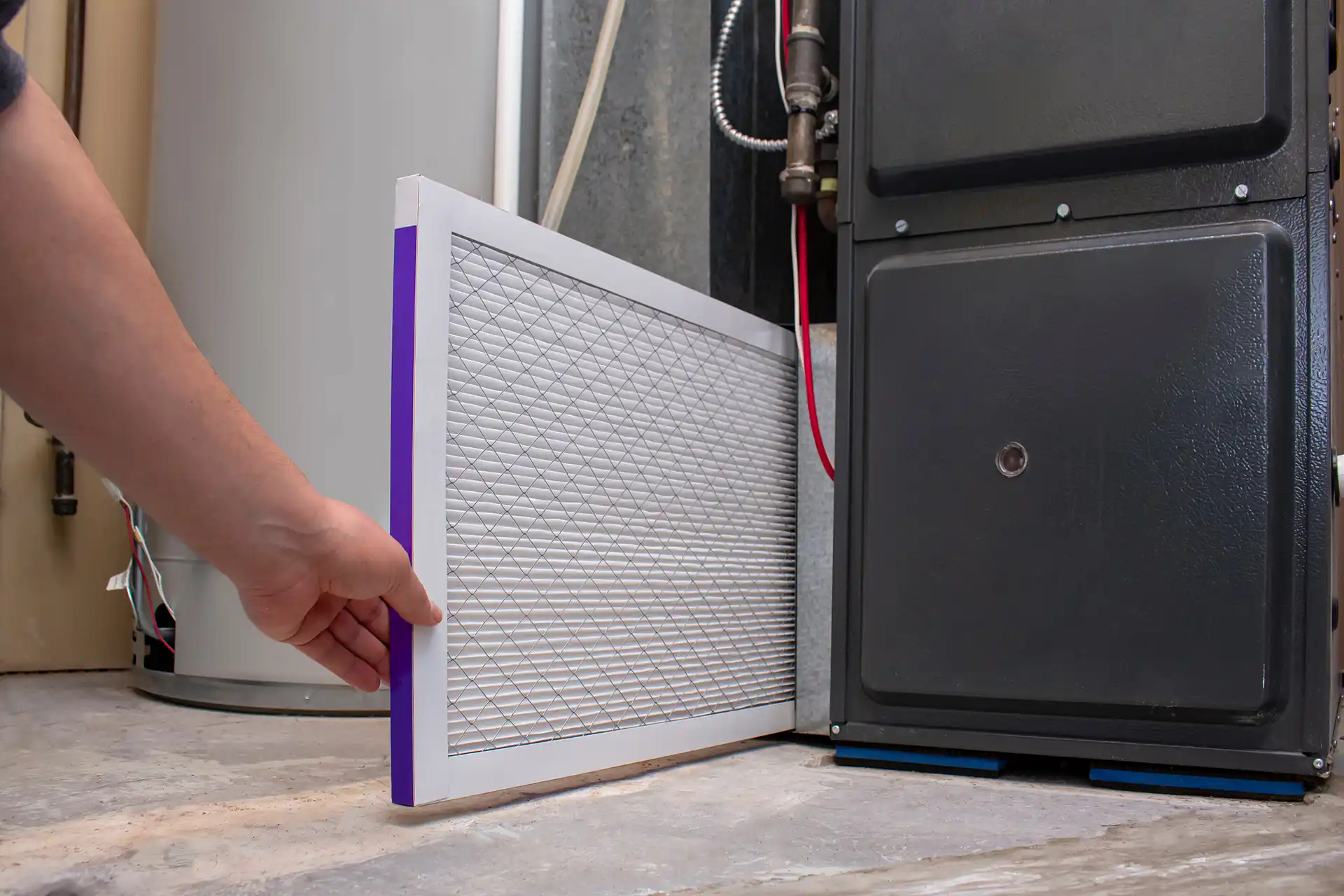
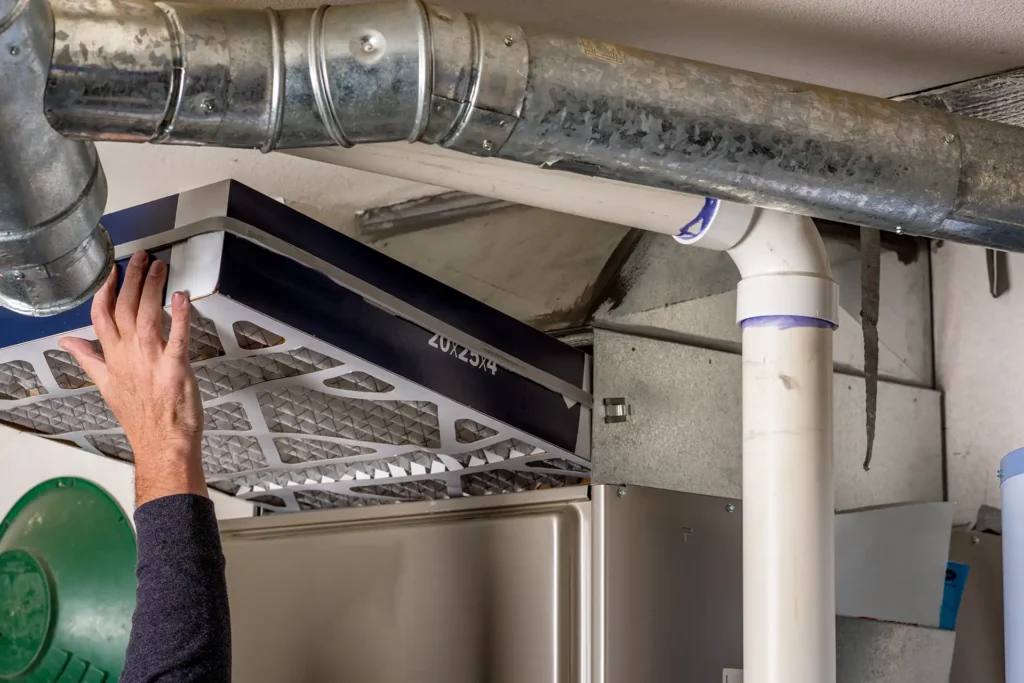
Keep supply and return openings clear and follow the recommended filter replacement schedule for your HVAC system. A filter must fit correctly and suit the equipment’s airflow requirements. Our air filtration service can help when filter selection or fit is uncertain. A tightly sealed duct system still depends on appropriate airflow and maintained equipment to serve the home effectively.
Report new airflow changes, unusual noises, or problems that appear after remodeling. Do not assume a previous sealing project rules out future damage or another cause of discomfort. Routine system care and attention to changes provide a more useful long-term approach than relying on sealing as a one-time answer to every HVAC concern. Keep your original measurements available when discussing later adjustments or repairs.