Air purifier, air scrubber, and UV light can sound like different names for the same solution. They are not reliable substitutes for one another, and a product name alone says little about what the equipment will do in your home. For West Chicago homeowners comparing indoor-air options, the most useful starting point is a specific concern and a clear explanation of the proposed technology.
A.W.E. Air Water Energy helps homeowners evaluate equipment in the context of their HVAC systems. Before you buy, use the questions below to separate the problem you want to address from the features a product advertises.
First, Describe What You Have Noticed
Dust collecting on furniture, an odor near a drain, and condensation around a window are different observations. Record where the concern appears, how long it has been happening, and whether it changes when the HVAC system operates. Recent painting, remodeling, new furniture, pets, or water intrusion may also be relevant. A short history can be more useful than a broad request for cleaner air.
Do not assume equipment should be the first purchase. A source may need to be removed or repaired, or a maintenance issue may need attention. Our indoor air quality testing service can help guide appropriate investigation. Testing should have a purpose: deciding what question needs answering and how the result would affect the next step.
Ask What “Air Purifier” Means for This Product
Air purifier is a broad marketing term. A portable unit may clean air in one room, while an HVAC-integrated device works within the central system. Some equipment uses a mechanical filter; other products use additional technologies. Ask the provider to name the actual method and explain which concern it is intended to address.
The EPA explains that air cleaners and HVAC filters can reduce indoor pollution but cannot remove every pollutant. Keep that limitation in mind when comparing claims. A product that sounds comprehensive may still be unsuitable for the particular problem in your home.
Treat “Air Scrubber” as a Starting Point for Questions
The air scrubber label can cover different kinds of equipment. Ask for the exact model and a plain-language explanation of how it works. Which components need replacement? What is the recommended service interval? Where will it be installed? What conditions must be present for the advertised performance to apply?
Look for evidence that describes the actual equipment, rather than a general statement about the category. If a technology has laboratory test results, ask how those conditions compare with the proposed installation. Be cautious about claims that a device solves every odor or eliminates the need for ventilation, moisture control, or ordinary HVAC care.
Understand Where HVAC UV Lights Fit
UV equipment uses ultraviolet energy for a defined treatment application. A coil-treatment installation and a device intended to treat moving air have different requirements. Placement, exposure, and maintenance influence performance. UV does not capture dust, so it should not be described as a replacement for a particle filter.
The EPA’s technical summary of residential air cleaners explains the distinction between UV treatment and particle removal. Ask what the proposed system is intended to treat and how safe service access is provided. Do not open the equipment or bypass protective features to check whether a lamp is working.
Compare Maintenance Along With Installation Cost
A useful comparison includes the parts and attention the equipment will need after installation. Ask about replacement filters, lamps, cells, or other components specific to the model. Find out who can supply those parts and whether routine service requires a professional. An unfamiliar device with unclear upkeep may create more uncertainty than it resolves.
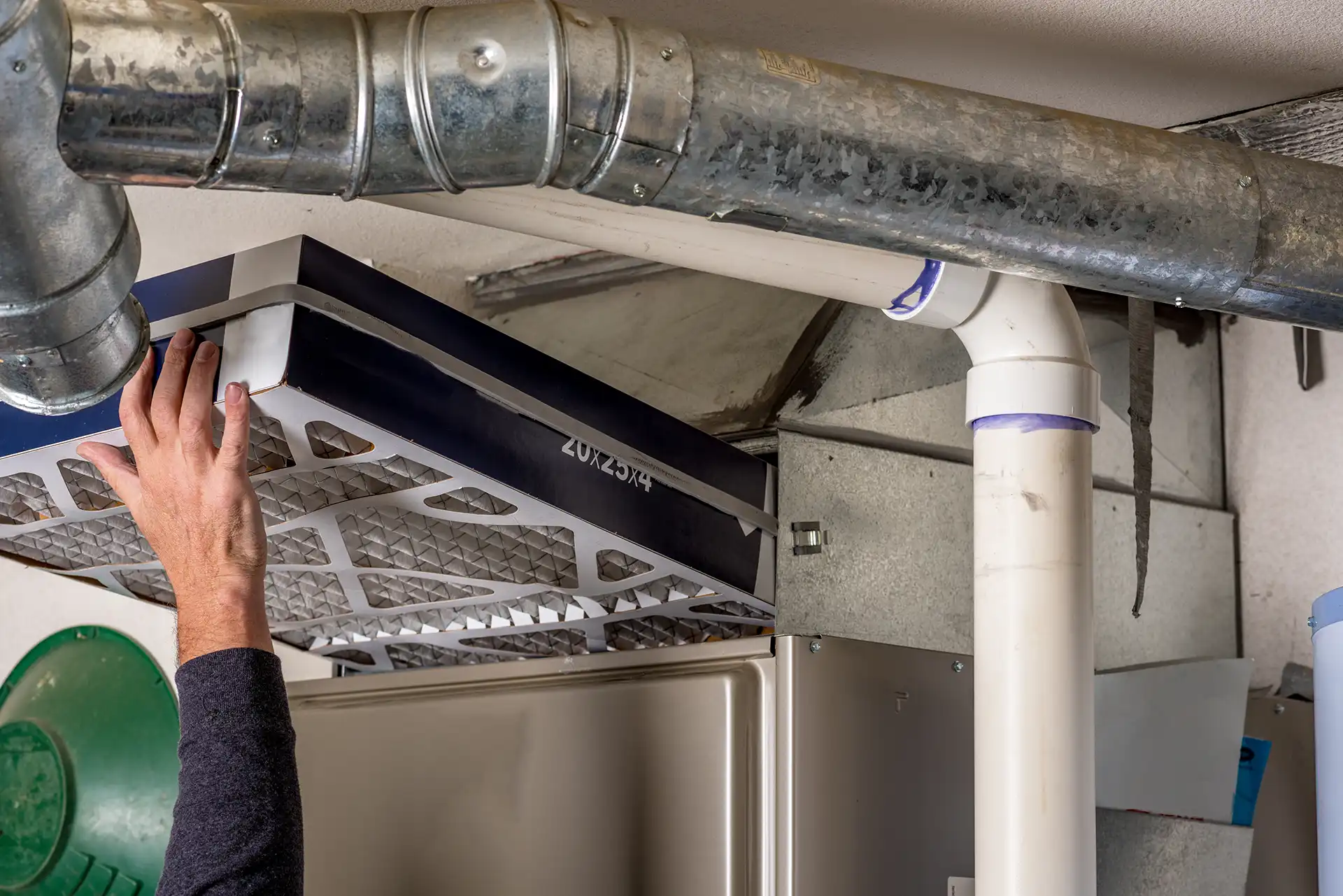
Our air filtration services can help review the existing filter arrangement before supplemental equipment is added. For any proposed device, ask how operation will be checked and what signs should prompt a service call. A status light alone may not tell you whether every component is performing as intended.
Check Fit, Access, and Product Claims
Available space and the HVAC system’s requirements limit what can be installed sensibly. Ask whether the device affects airflow or access to other components. A treatment unit should not make filter changes, equipment inspection, or ordinary service unnecessarily difficult. The proposal should identify the location and any additional electrical or mounting work.
Ask about emissions, including ozone, when evaluating electronic air-cleaning technologies. A device should not be selected just because it creates a noticeable smell or uses a technical-sounding process. A.W.E.’s air cleaner service can help compare options and explain what further information is needed before choosing equipment.
Use a Short Checklist During the Consultation
- What specific concern are we trying to address?
- Does a source or moisture problem need attention first?
- Which technology and model are being proposed, and why?
- What performance claims apply to this installation?
- What replacement parts and maintenance will be required?
- How will we evaluate whether the original concern has improved?
These questions make proposals easier to compare because they focus on the work and the expected purpose. Keep the equipment information and service recommendations together. If the original concern persists after installation, those records provide a useful starting point for a follow-up discussion.
Common Questions About Air Purification
Should I buy the system with the most technologies?
Not automatically. More features can mean more maintenance and do not guarantee a better match. Start with the concern, then compare the evidence, system fit, and upkeep for each proposed option.
Can equipment fix a musty room?
A musty odor deserves investigation for moisture and other sources. Air-cleaning equipment should not substitute for correcting the cause. Describe the location and timing of the odor during the assessment.
How should I prepare for an indoor-air consultation?
Bring the model information for existing equipment, recent filter or service dates, and notes about the concern. Photos of the equipment area and a description of recent household changes may also help explain the situation.
For air purification guidance in West Chicago, call A.W.E. at (630) 283-6225. A clear problem statement and an equipment-specific explanation are the foundation of a useful plan.