A.W.E. Air Water Energy helps West Chicago homeowners improve security lighting around entrances, garages, and commonly used outdoor routes. We evaluate fixture placement, sensor behavior, controls, and electrical supply so the installation supports useful nighttime visibility. For projects involving cameras or alarms, we clarify the electrical work and any coordination needed with a security provider. Call (630) 283-6225 to discuss your home and the areas you want to improve.
Start With Entrances, Paths, and Blind Spots
A security lighting plan begins with how people approach the home. The front door, side entrance, garage, and path from parking may each need a different type of light. Consider steps, changes in surface level, and places where shadows obscure the route. More brightness is not always better; an exposed light aimed toward your eyes can make the surrounding area harder to see.
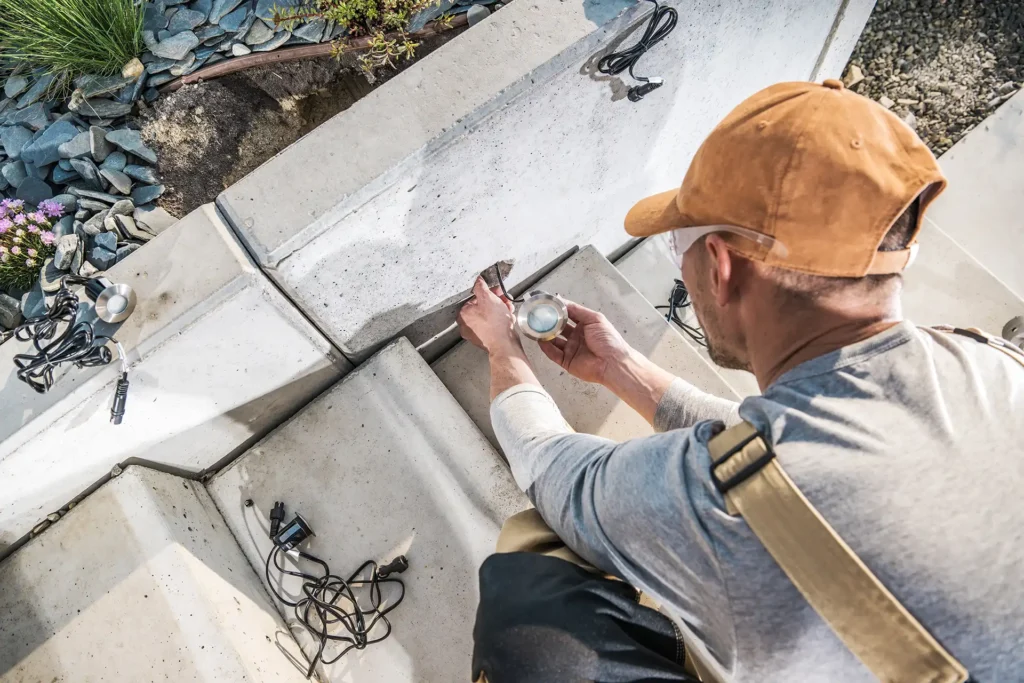
We review the property layout and the purpose of each fixture before recommending equipment. Coverage and glare control help determine mounting height, aiming, and light distribution. Our lighting installation service can address suitable fixtures and their electrical connections. Thoughtful placement supports visibility without assuming that lighting alone can prevent trespassing, theft, or other security concerns.
Match Motion Sensors and Controls to the Location
Motion-activated lights can illuminate an approach when needed, while dusk-to-dawn controls can provide more consistent coverage. The choice depends on the location and your routine. A sensor covering a side door may need different settings from one facing a driveway. Traffic, moving branches, and activity outside the intended area can lead to unwanted activation when placement or settings are unsuitable.
A.W.E. considers sensor coverage, operating schedules, and manual control together. You should be able to understand how the system behaves and how to adjust normal settings. For connected controls, home automation support may be relevant to the plan. Device compatibility and dependable communication matter; adding more smart features does not automatically make a lighting installation easier to use.
Recognize Faults in Existing Security Lighting
Lights that stay on continuously, fail to activate, flicker, or trip the circuit need diagnosis. A problem may involve the fixture, a photocell, a motion sensor, or the electrical supply. Note whether the issue changes after rain or cold weather and whether several fixtures are affected. These details help distinguish a setting problem from damaged equipment or a shared circuit concern.
Visible damage, water inside a fixture, burning smells, or unusual heat calls for prompt attention. Stop using affected equipment and arrange professional evaluation instead of repeatedly resetting protection devices. Our electrical repair service can address supply and connection problems when needed. Replacing a sensor alone will not resolve deteriorated wiring or moisture entering another part of the installation.
Coordinate Lighting With Cameras and Security Equipment
Exterior lighting and cameras should work together without assuming they are interchangeable. A camera may need a particular power source, mounting position, and network connection. A nearby bright fixture can produce glare or reflections that affect the view. Before equipment is purchased, clarify the intended viewing area and the responsibilities of the electrical contractor and any security system installer.
We can review the electrical requirements within the agreed scope and identify where another provider’s involvement is needed. Alarm monitoring, subscriptions, recording settings, and network configuration should be confirmed separately. If suitable wiring is missing or in poor condition, wiring and rewiring services may be required. A coordinated plan reduces the chance of placing power where it does not serve the final equipment location.
What Happens During a Security Lighting Project
The assessment includes your concerns, existing fixtures, available electrical supply, and the areas you want illuminated. We discuss mounting options, controls, weather exposure, and access for future service. The proposed scope should identify what is being installed or repaired and what is outside the project. That is especially useful when lighting work is one part of a larger home security upgrade.
After installation, fixture operation and controls are checked and normal adjustments are explained. Aiming and sensor settings should reflect the intended coverage rather than simply the maximum range available. Keep equipment instructions and any provider contact information together. If the installation includes connected devices, make sure you understand who supports each component before the project is considered complete.
Maintain Reliable Coverage as the Property Changes
Outdoor conditions and landscaping change over time. Shrubs can block light, a new fence can alter a camera view, and stored items can interfere with a sensor. Follow manufacturer cleaning guidance and check for loose mounts, cracked housings, or changes in operation. Avoid opening electrical parts or adjusting wiring to troubleshoot a fixture that is behaving unpredictably.
For West Chicago homeowners, a seasonal review can help keep evening access practical as daylight hours change. Confirm schedules and check the areas you actually use after dark. Targeted maintenance may be enough when the overall system still fits the property. Replacement is worth considering when equipment is damaged, compatible parts are unavailable, or a changed layout leaves important routes poorly illuminated.