Need help with unreliable temperature control? Call (630) 283-6225 to request a diagnostic visit.
When the thermostat and room temperature disagree
A thermostat tells your equipment when to heat, cool, or circulate air. A loose connection, failing sensor, incorrect setup, or power problem can interrupt that conversation. Symptoms may resemble an equipment failure, so replacing the thermostat without testing can leave the original problem unresolved.
Tell us whether the issue affects heating, cooling, or both, and whether it began after an outage or equipment change. Useful warning signs include:
- A blank, flickering, or unresponsive display.
- Frequent starts and stops or an unexplained temperature swing.
- A system that keeps running after reaching its setting.
- Schedules or wireless connections that repeatedly reset.
Choosing controls for a West Chicago home
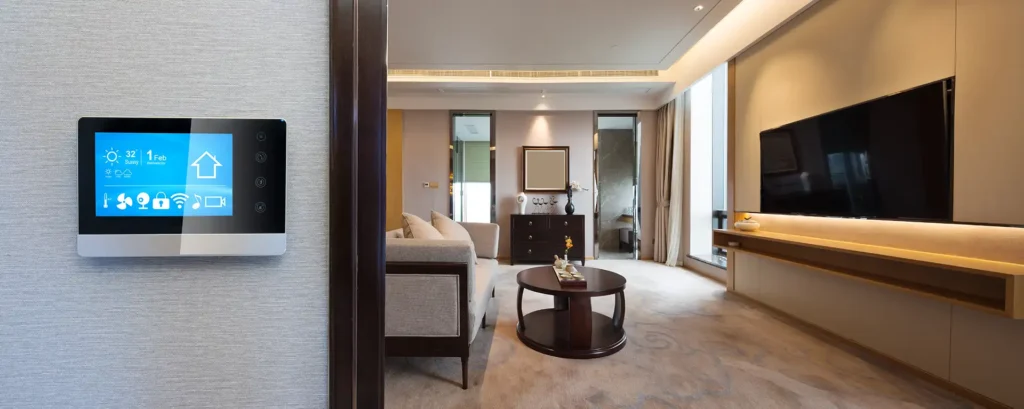
Cold winter mornings and humid summer afternoons call for reliable controls, but every household uses its home differently. A straightforward programmable model may suit a predictable routine. A smart thermostat can offer remote adjustments and alerts, depending on its features and your internet connection.
Equipment compatibility comes first. Heat pumps, multistage systems, and communicating equipment may need specific controls. A.W.E. checks the equipment requirements, available wiring, and power supply before recommending a device. We also explain which features require an app, an account, or additional accessories so there are no surprises after installation.
What happens during thermostat service
We review your comfort concerns, compare the thermostat reading with room conditions, and check how the equipment responds. The evaluation may include connections, configuration, power, and sensor placement. If the underlying fault requires heating repair or air conditioning repair, we explain that distinction before recommending work.
For an approved installation, the technician sets up the compatible control, verifies heating and cooling operation as applicable, and walks you through everyday settings. Keep your equipment model information and any existing thermostat instructions available. You should understand how to adjust the schedule and return to a comfortable setting before the visit ends.
Repair, replacement, or a placement change?
A thermostat exposed to afternoon sunlight, drafts from an exterior door, or heat from a nearby appliance may respond to conditions that do not represent the rest of the house. This matters in homes with sunny additions or rooms that warm differently throughout the day. Moving the sensor or control may be worth considering.
Uneven temperatures are not always a thermostat problem. Restricted airflow, duct leakage, insulation, and equipment sizing can also contribute. We consider the age and condition of the control, repair cost, and features you actually need. A more expensive thermostat cannot correct an undersized duct or guarantee a particular energy saving.
Keep temperature control working reliably
Replace user-serviceable batteries according to the manufacturer, keep the thermostat unobstructed, and review schedules when your routine changes. Avoid repeated large setting changes while diagnosing a comfort issue; they make the pattern harder to explain. Note the room temperature, setting, and time when the problem occurs.
Include controls in routine furnace maintenance and AC tune-up service. Those visits help connect thermostat behavior with airflow and equipment operation. During a West Chicago seasonal changeover, check that the selected mode and schedule fit the weather before assuming the system needs a major repair.