Planning gas piping work after any immediate hazard has been addressed? Call (630) 283-6225 to discuss the next available appointment.
Gas piping work starts with the whole system
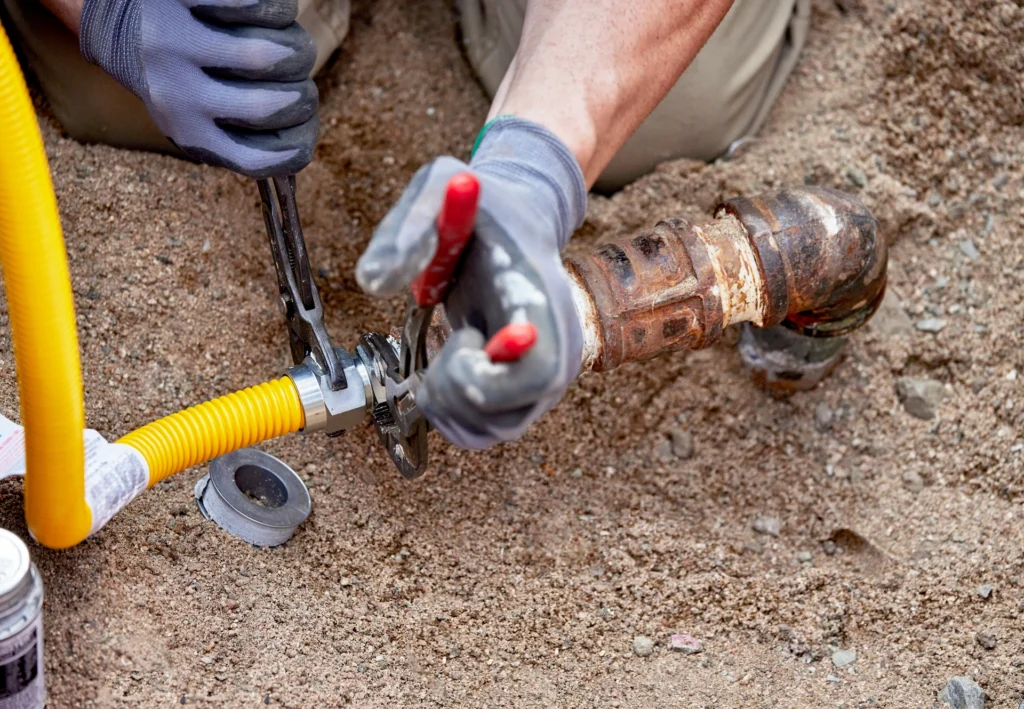
A gas appliance depends on more than the short connection behind it. The supply piping must support the connected demand, follow an appropriate route, and use suitable materials and connections. Adding a range, dryer, or other appliance can change what the existing piping needs to carry. Gas line evaluation considers the equipment being served and the condition of the accessible system before a repair or installation recommendation is made.
Tell us which appliance is involved, whether it is being replaced or added, and whether another contractor has already identified a problem. Keep manufacturer specifications available for planned work. A.W.E. reviews the installation requirements and explains any limitations that need to be resolved before connection. If the project includes changes to water piping as well, our plumbing replacement service can help coordinate the separate parts of the project.
Recognize a possible gas leak and leave first
An unexplained gas odor, hissing near piping, or a utility warning calls for immediate action. Leave the building and keep others away. Do not operate switches, use a phone inside, light a flame, or try to locate or repair the leak. From a safe location, contact your gas utility or emergency services and follow their instructions. Do not re-enter until the appropriate responders say it is safe.
A service appointment is not a substitute for the utility’s emergency response. Once the immediate hazard has been addressed and access is permitted, repairs to customer-owned piping may be required before service can resume. Explain what the utility found and provide any written notice when arranging follow-up work. Our emergency plumbing service can discuss the repair needs after the emergency response, with timing based on the situation and available access.
Why gas piping needs repair or replacement
Accessible gas piping can be affected by corrosion, physical damage, aging connections, or changes made during previous construction. A connection that appears intact may still need professional evaluation if the utility identifies leakage or testing shows a problem. The visible symptom alone does not establish how much piping needs replacement. Diagnosis should separate a localized connection problem from deterioration affecting a longer section or a more extensive installation concern.
Appliance changes create another reason to review the system. A new unit may have different input requirements, connection instructions, or placement constraints. Pipe sizing and appliance demand should be evaluated together rather than assuming the old setup fits the new equipment. If the project involves a gas water heater, our water heater installation service can evaluate the appliance-side requirements alongside the proposed plumbing work.
Our approach to gas line service
We review the reported concern, utility documentation when available, the affected appliance, and accessible piping. The proposed scope may involve a connection repair, replacement of damaged piping, or a new route for planned equipment. We explain access needs and any permit, inspection, or utility coordination requirements that apply to the job. Concealed sections or incomplete information may require additional assessment before a final scope can be established.
Completed gas piping work requires appropriate testing and verification before normal use. Leak testing is part of confirming the work, not something homeowners should improvise with a flame or makeshift equipment. Service restoration may depend on inspection or utility procedures beyond the repair itself. We explain the next steps so you know what is complete, what remains outstanding, and who must authorize reconnection when that is required.
Compare a focused repair with a larger upgrade
A sound system with one damaged section may be suitable for a localized repair. More extensive replacement may be appropriate when deterioration affects multiple areas, an existing route is unsuitable, or additional appliance demand changes the design requirements. The decision should reflect findings from the inspection and the planned use of the system. Ask what each option addresses and whether any known limitations would remain after the work.
For West Chicago homeowners planning a renovation, discussing gas work early helps avoid purchasing equipment that cannot be connected as expected. Share the appliance specifications and intended location before cabinets, walls, or finishes are completed. If the project also involves a hot-water equipment problem, water heater repair may answer whether an existing unit can remain in service. Repairing the appliance and changing its supply piping are separate decisions.
Protect accessible piping and plan future work
Keep gas piping accessible where required, avoid storing heavy items against connections, and tell contractors where known lines run before other work begins. Do not use piping to support shelves, hang objects, or anchor equipment. Follow appliance service instructions and report newly observed damage or corrosion. A planned inspection is useful for a visible concern, while a suspected active leak always requires evacuation and an emergency call from a safe location.
A.W.E. has served the community since 1911. Our licensed and insured team serves West Chicago homeowners, explaining recommendations and pricing before work begins. Open 24 hours a day, 7 days a week. For planned gas line work, tell us about the appliance, location, and project timeline so we can discuss the appropriate evaluation and help you understand the steps involved.