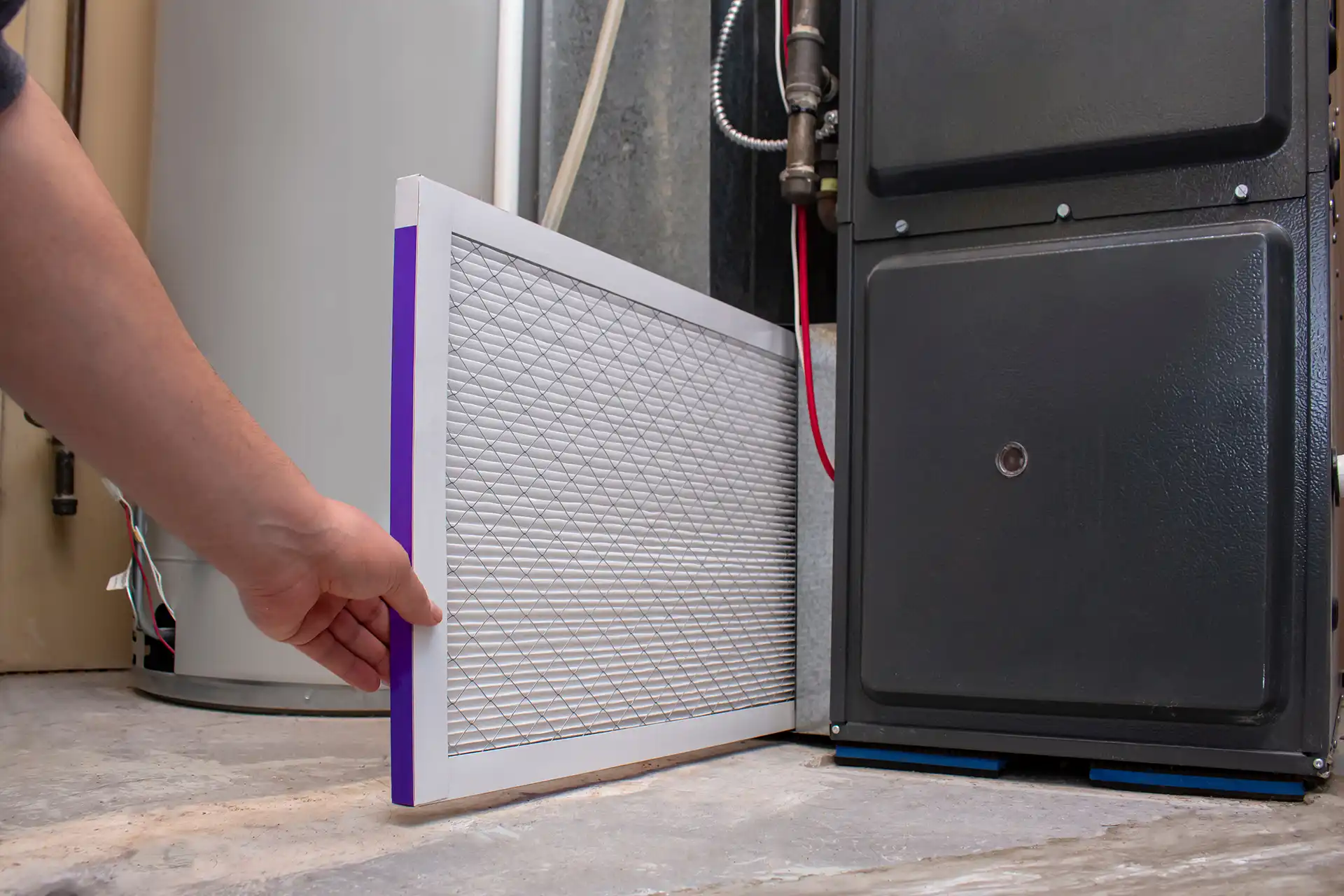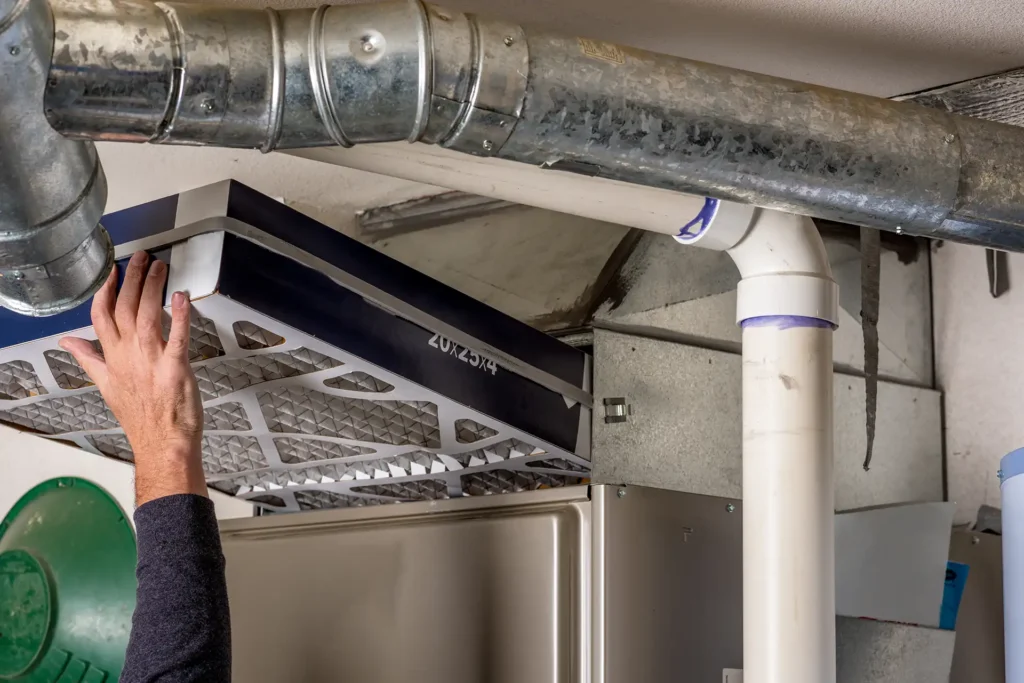
A heating inspection gives you a clearer picture of equipment condition before cold weather exposes a problem. A.W.E. Air Water Energy helps West Chicago homeowners evaluate heating concerns, understand findings, and decide what maintenance or repair is appropriate for the system in their home.
Planning ahead for the heating season? Call (630) 283-6225 to ask about a heating inspection appointment.
Why check the system before winter?
A furnace or heat pump may seem fine during a short test and struggle once it runs through a cold night. Worn components, airflow restrictions, drainage issues, or control problems can become more noticeable under sustained demand. An inspection helps identify concerns and gives you time to consider recommended work.
An inspection is not a guarantee against breakdowns. Equipment condition can change, and some faults are intermittent. For West Chicago homes, checking the system before the busiest heating period is a practical planning step. Share any history of uneven rooms, unexpected shutdowns, unusual sounds, or rising energy use so the technician can investigate the relevant pattern.
What the inspection may cover
The scope depends on whether you have a gas furnace, electric equipment, a heat pump, or a boiler. Relevant checks may involve controls, accessible electrical components, airflow, filters, ignition, venting, drainage, and operating performance. Combustion equipment and electric systems require different procedures; one generic checklist does not describe every visit.
A.W.E. explains the service scope and findings. Ask whether cleaning, adjustments, testing, or replacement parts are included or priced separately. Our furnace maintenance service provides a related option for routine care. An inspection should leave you understanding what was checked, what needs attention, and which recommendations are urgent versus preventive. Keep the written findings with your equipment records and ask for clarification if a recommendation is unclear. If work is deferred, ask what symptoms should prompt another call. That record makes later decisions easier and helps another technician understand what was previously observed without relying on memory.
Prepare useful information for the visit
Clear safe access to the equipment and thermostat, and keep pets away from the work area. You do not need to remove panels or attempt technical adjustments beforehand. Locate the model information, operating instructions, warranty paperwork, and recent service records if they are readily available.
Make a short list of observations:
- Which rooms become cold and at what time of day.
- Any error messages or repeated shutdowns.
- New noises, odors, or moisture near the equipment.
- Recent filter changes, remodeling, or thermostat adjustments.
Describe the symptom rather than guessing the part. Specific timing and conditions can help a technician investigate an intermittent problem more effectively.
Understand inspection, maintenance, and repair
An inspection evaluates condition and operation. Maintenance may include cleaning and adjustments within the agreed scope. Repair addresses a diagnosed fault and usually requires a separate recommendation. These services overlap, but knowing the difference helps you compare appointments and avoid assuming that every visit includes all three.
If testing identifies a failure, ask about the cause, proposed work, pricing, and available alternatives. Heating repair may restore otherwise serviceable equipment. For an older system with major deterioration, heating replacement may deserve comparison. Age alone is not a complete diagnosis, and a routine visit should not automatically become a replacement decision.
Know when to call before the scheduled check
Do not wait for routine maintenance if the system repeatedly stops, leaks water, produces a burning odor, or fails to heat the home. Stop using equipment when continuing operation appears unsafe and request guidance. Never bypass safety devices or repeatedly reset a unit that shuts itself down.
If a carbon monoxide alarm sounds, get everyone outside and call emergency services from a safe location. The CPSC’s carbon monoxide guidance explains that response. For ordinary no-heat problems, contact emergency heating service. A professional inspection complements working alarms; it does not replace them or eliminate the need to respond to an alarm.
Plan your next heating-system check
A.W.E. has served the community since 1911. Our licensed and insured team helps homeowners in West Chicago, Carol Stream, Wheaton, and nearby DuPage County communities understand heating-system concerns.
Open 24 hours a day, 7 days a week. Schedule a heating inspection or call (630) 283-6225 to discuss the service your equipment needs.
Frequently Asked Questions
How often should heating equipment be checked?
Follow the manufacturer’s maintenance instructions. Annual professional service is commonly recommended for furnaces and heat pumps, with timing and scope adjusted to equipment type and use.
Does an inspection include repairs?
Not automatically. Ask what the appointment includes. If a fault is found, the technician should explain the proposed repair and price before additional work begins.
Should I wait until the first cold day?
Planning before sustained cold weather gives you more time to address findings. If the system already has a problem, arrange service rather than waiting for the season to change.