Power You Do Not Have to Think About
A standby generator does something a portable generator cannot: it turns itself on. Within seconds of a utility outage, a properly installed standby generator detects the loss of power, starts automatically, and transfers your home to generator power without any action required on your part. When utility power is restored, it transfers back and shuts itself down. For homeowners with medical equipment, young children, elderly family members, or simply a low tolerance for disruption, that level of reliability is worth the investment. A.W.E. handles the full installation from equipment selection through final commissioning so the system works exactly the way it is supposed to from day one.
Choosing the Right Generator for Your Home
Standby generators are sized by wattage output, and selecting the right size depends on what you want to power during an outage. A smaller unit sized to protect essential circuits covers lighting, the refrigerator, and select outlets. A whole home generator sized to your full electrical load keeps everything running without any prioritization or switching. The right answer sits somewhere between those extremes for most households, and it is determined by an honest assessment of your priorities, your home’s electrical load, and your budget. Our technicians walk you through the options with real numbers rather than generalizations so you can make a decision that fits your situation.
What a Standby Generator Installation Involves
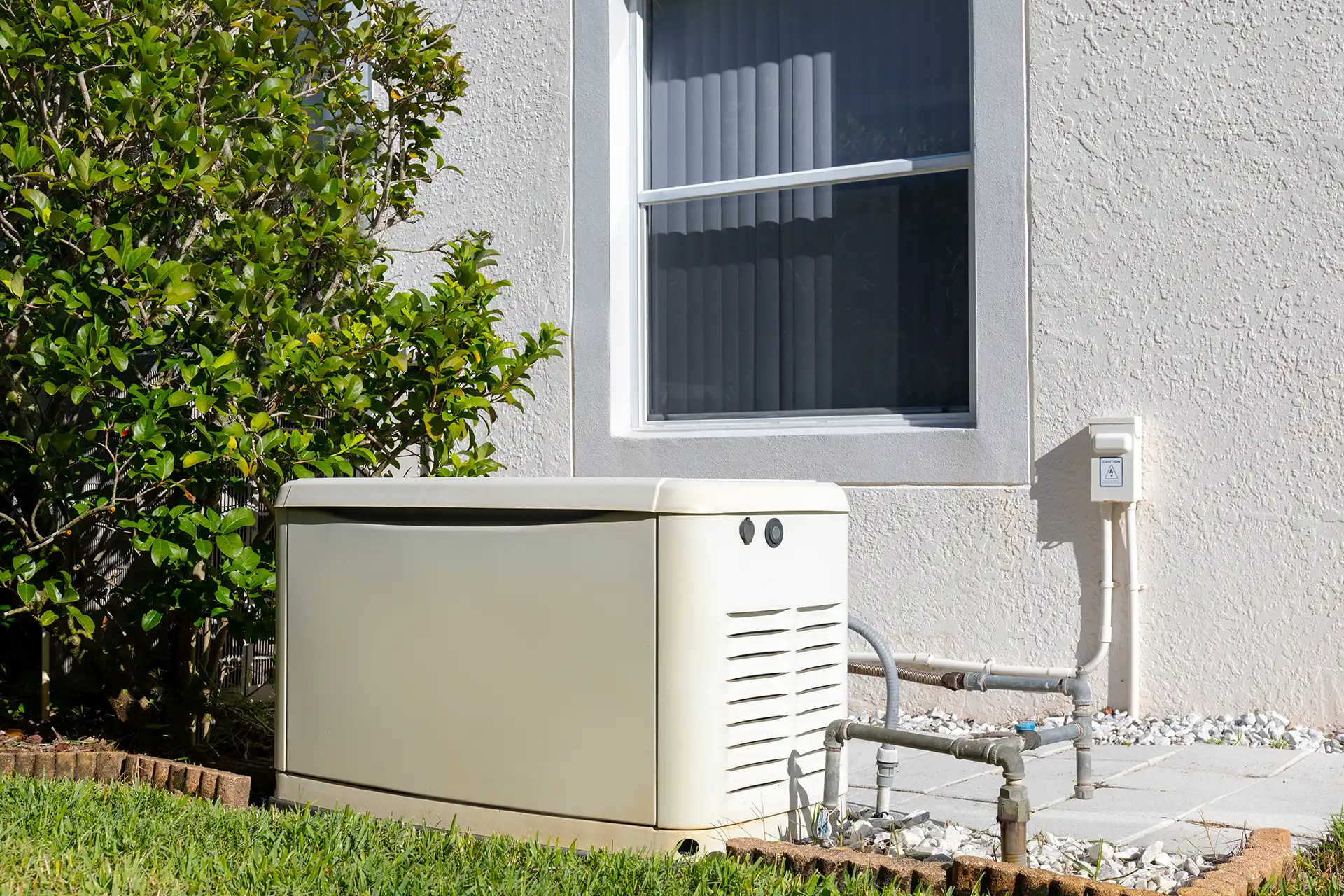
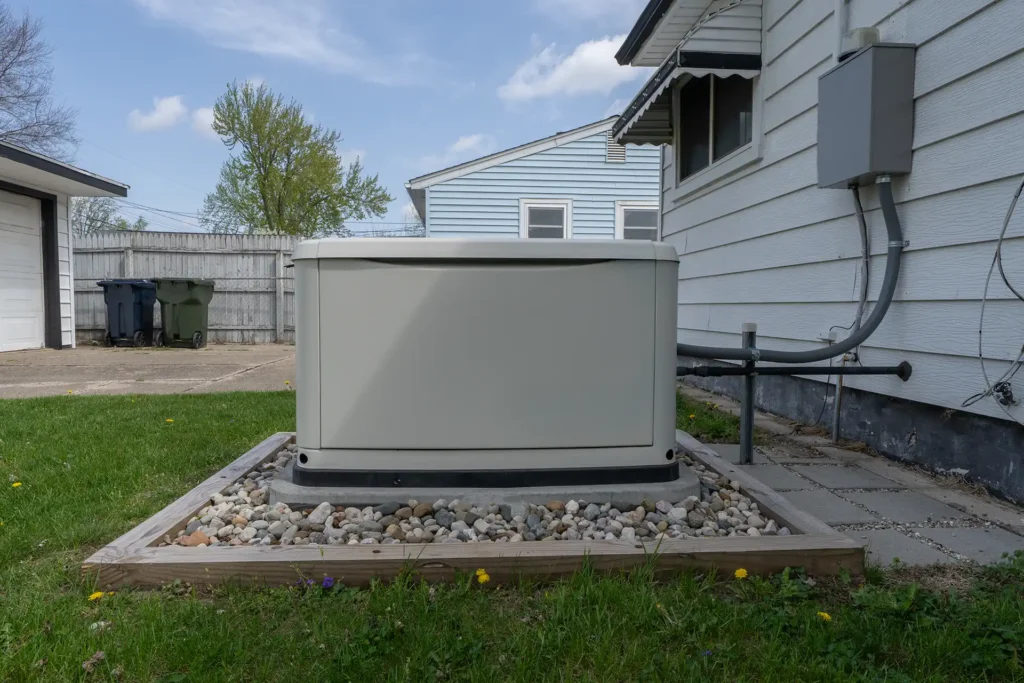
A generator installation is a multi-trade project that combines electrical, gas, and mechanical work. The generator itself is mounted on a concrete pad outside the home, connected to the natural gas or propane supply, and wired through an automatic transfer switch that integrates with your electrical panel. The transfer switch is the component that monitors utility power, triggers the generator startup on an outage, and manages the transition back to utility power when it is restored. Permits are required for every aspect of the installation, and A.W.E. handles the permitting process, utility notifications, and final inspections so the system is fully documented and code-compliant when the project is complete.
The Transfer Switch and Why It Matters
The automatic transfer switch is the most critical component in a standby generator system, and its installation is where the quality of the work has the most impact on long-term reliability. A properly installed transfer switch isolates your home’s wiring from the utility grid during generator operation, which is a safety requirement that protects both your household and the utility workers who may be working on the lines during an outage. It also ensures the generator is not backfeeding power onto the grid, which can cause serious damage to the generator itself. A.W.E.’s licensed electricians install and configure transfer switches correctly on every job, because this is not a component where shortcuts are acceptable.