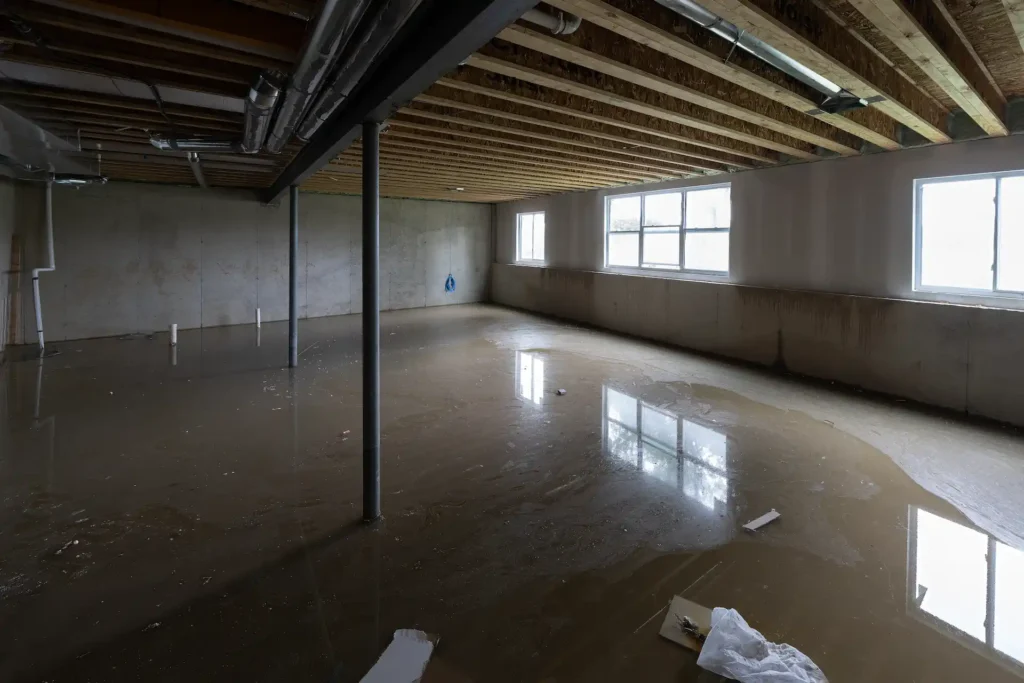
Slab Leaks Are Serious, But They Are Solvable
When a water line running beneath your concrete slab develops a leak, the water has nowhere obvious to go. It seeps into the ground, works its way up through the slab, and gradually saturates the flooring and substructure above it. Left unaddressed, a slab leak can undermine the structural integrity of the foundation, cause significant water damage to flooring and walls, and create persistent moisture conditions that lead to mold growth. The good news is that with the right equipment and approach, slab leaks can be located precisely and repaired effectively without turning your entire home into a construction site.
How to Recognize a Slab Leak
Slab leaks are rarely discovered by seeing the leak directly. Instead, they tend to reveal themselves through a pattern of secondary signs that are easy to dismiss individually but meaningful when they appear together. Warm or hot spots on a floor surface, particularly on a slab foundation, are a classic indicator of a hot water line leak below. Unexplained increases in your water bill, the sound of running water when nothing is turned on, cracks appearing in flooring or baseboards, and excessive moisture or mildew in a specific area of the home are all worth taking seriously. A.W.E. can perform a professional assessment to confirm whether a slab leak is the source of what you are seeing.
Locating the Leak Before Opening the Slab
Precision matters enormously with slab leak repair. Opening concrete is disruptive and should be limited to exactly where the work needs to happen. Our technicians use a combination of electronic leak detection equipment, acoustic listening devices, and pressure testing to pinpoint the leak location before any concrete is touched. This targeted approach minimizes the amount of slab that needs to be accessed and protects the surrounding flooring and finishes from unnecessary disruption. Once the location is confirmed, we walk you through the repair options and what each involves before any work begins.
Repair Options and What They Involve
Depending on the location, severity, and condition of the affected pipe, slab leak repairs can be approached in a few different ways. Direct access repair involves opening the slab at the precise leak location, making the repair, and restoring the concrete. Pipe rerouting bypasses the damaged section entirely by running a new line through the walls or ceiling, avoiding the slab altogether. In homes where the slab plumbing is significantly aged and at elevated risk of future leaks, a full repipe may be the most practical long-term solution. Our technicians will present each applicable option honestly, including the trade-offs, so you can make the decision that makes the most sense for your home and your budget.