A Failing Breaker Is More Than a Nuisance
Circuit breakers serve a critical function in your home’s electrical system. They are designed to trip and cut power when a circuit is overloaded or a fault is detected, protecting your wiring and your home from the kind of heat buildup that causes fires. When a breaker begins failing, it may trip too easily, fail to trip when it should, or stop resetting altogether. Each of these scenarios represents a problem worth taking seriously. A breaker that no longer trips reliably is not protecting your home the way it is supposed to, and one that trips constantly may be pointing to an underlying issue that goes beyond the breaker itself.
Tripping Versus Failing — Understanding the Difference
Not every tripping breaker needs to be replaced. A breaker that trips occasionally because a circuit is genuinely being overloaded is doing exactly what it was designed to do, and the right fix in that case may be redistributing the load or adding a circuit rather than replacing the breaker. A breaker that trips repeatedly on a circuit with a normal load, feels warm or hot to the touch, makes a buzzing sound, or will not stay reset after being switched off and back on is more likely failing and needs to be replaced. Getting that distinction right is why a proper diagnosis matters before any work is done.
What Breaker Replacement Involves
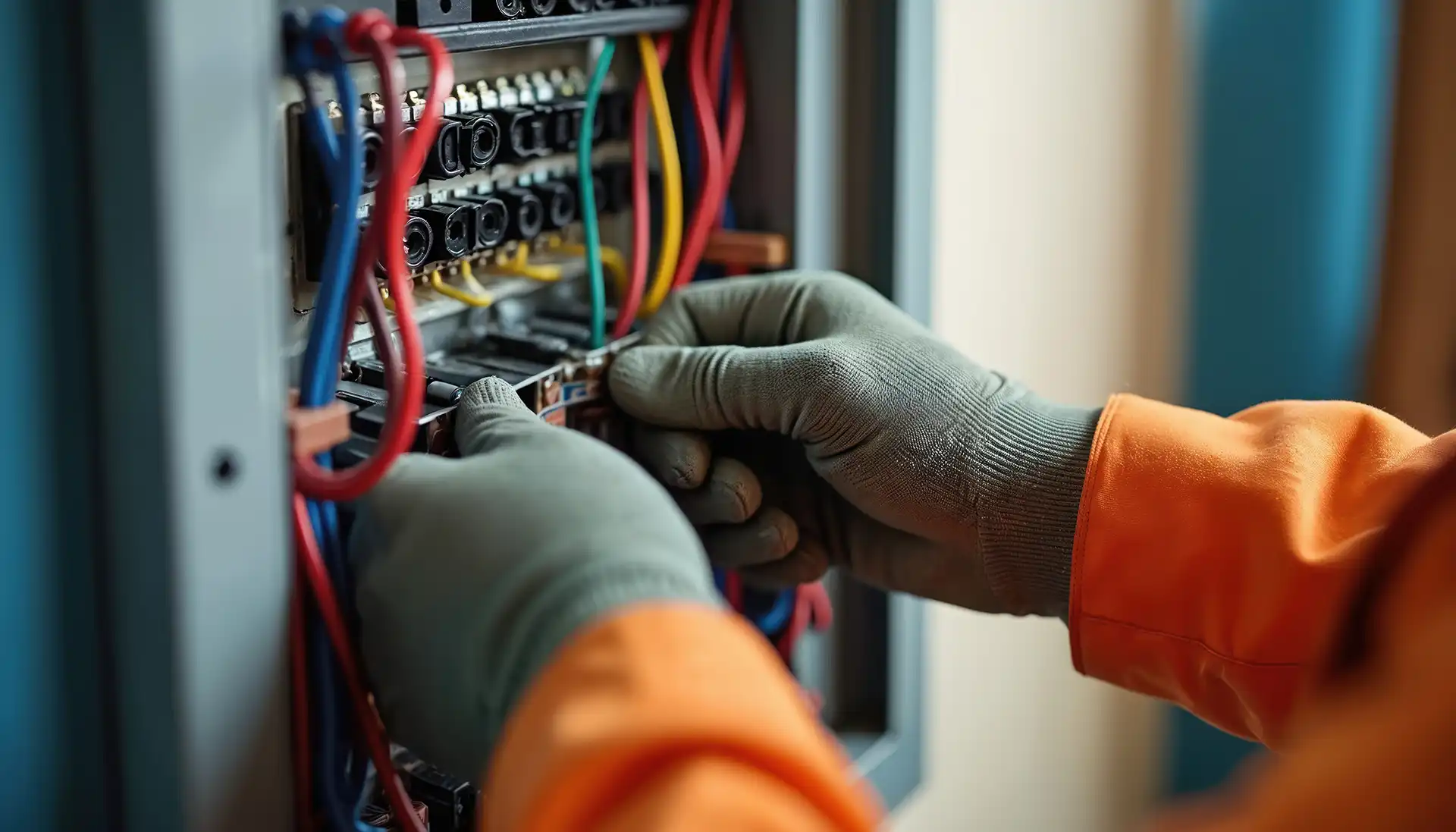
Replacing a breaker is work that needs to be done with the panel energized, which means portions of the panel remain live even when the main breaker is off. This is one of the reasons breaker replacement is not a task for anyone without proper training and licensing. Our electricians handle the work safely and correctly, verifying that the replacement breaker is the right type and amperage for the circuit and that the wiring connections are properly made. We also test the replaced breaker under load before closing the panel to confirm it is functioning as it should.
When a Breaker Replacement Points to a Bigger Issue
In some cases a failing breaker is a standalone component at the end of its lifespan. In others it is a symptom of something more significant, such as a circuit that has developed a wiring fault, a panel that is reaching its capacity, or equipment that is drawing more current than the circuit was designed to handle. Our technicians assess the full picture rather than simply swapping the part and moving on. If we find something that warrants a broader conversation about your panel or your home’s electrical capacity, we will have that conversation honestly and let you decide how you want to proceed.