Filtration Is the Foundation of Indoor Air Quality
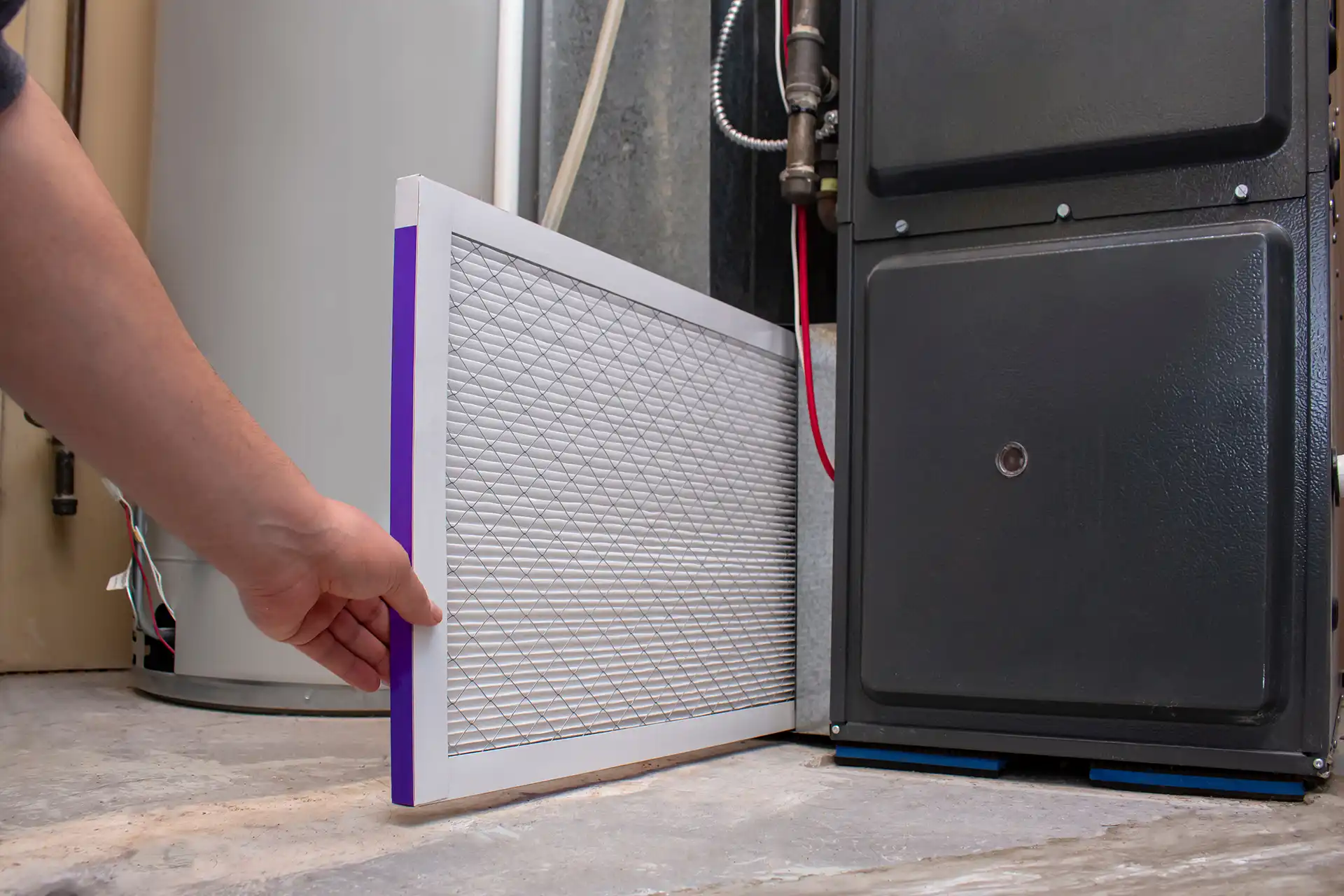
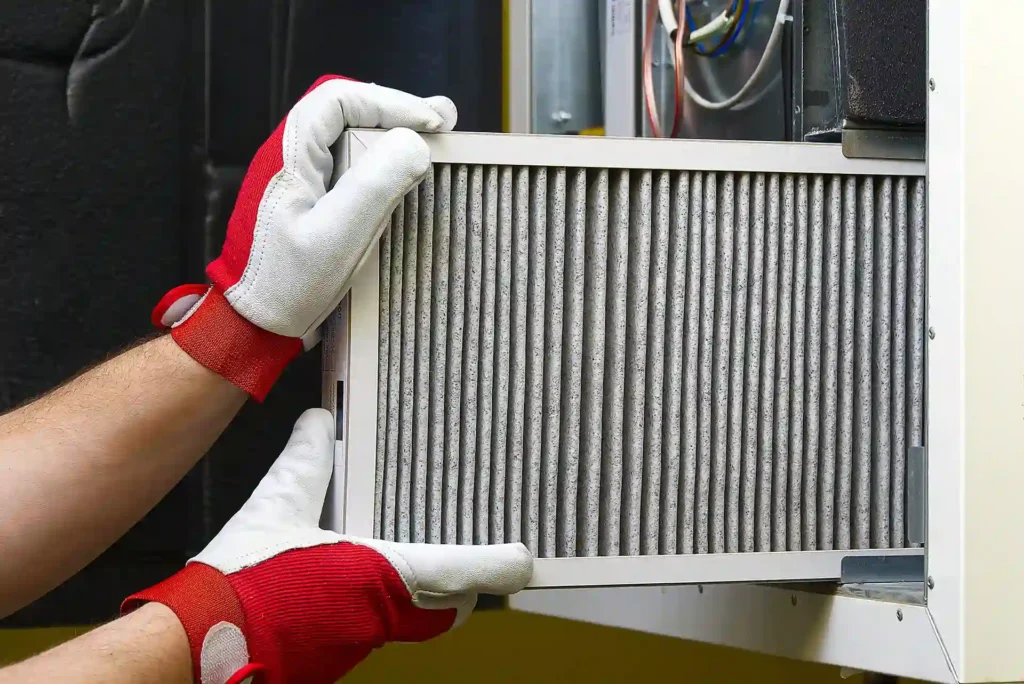
Every cubic foot of air in your home passes through your HVAC system multiple times a day. What your filter captures during those passes, and what it lets through, has a direct impact on the quality of the air in every room. A thin fiberglass filter does a reasonable job of keeping large debris out of your equipment. It does very little for the fine particles, allergens, and biological contaminants that affect how your air feels and how it affects your health. Upgrading your filtration is one of the most cost-effective steps a homeowner can take toward a cleaner, healthier indoor environment.
Understanding Filtration Ratings and What They Mean
Filters are rated on a scale called MERV, which measures how effectively they capture particles of varying sizes. A standard one-inch filter typically falls in the MERV 1 to 4 range, capturing visible dust and larger debris but allowing fine particles to pass freely. Filters in the MERV 8 to 13 range capture a significantly broader spectrum of particles including pollen, pet dander, mold spores, and fine dust. Higher-rated filters, including HEPA-grade options, capture even smaller particles but require careful matching to your HVAC system to avoid restricting airflow. Choosing the right filter is not just about picking the highest rating available. It is about finding the best balance of filtration performance and airflow for your specific equipment.
Whole-Home Filtration Versus Standard Filter Upgrades
For some households, upgrading to a higher-quality standard filter is a meaningful improvement that does not require any modifications to the existing system. For others, particularly those with significant air quality concerns, a whole-home media filtration system installed directly in the ductwork provides a substantially higher level of performance. These systems use deep-pleated media that captures far more contaminants per pass than any standard filter while maintaining adequate airflow through the system. A.W.E. can assess your current setup and help you determine which approach makes the most sense for your home and your goals.
Filtration as Part of a Broader Air Quality Strategy
Air filtration works best when it is part of a broader approach to indoor air quality rather than the only line of defense. Paired with proper humidity control, adequate ventilation, and where appropriate, air purification technology like UV systems, the right filtration setup contributes to an indoor environment that is measurably cleaner and more comfortable. A.W.E. offers a full range of indoor air quality solutions and can help you build a strategy that addresses your household’s specific concerns without overcomplicating or over-spending.